 how-to
Book Your Free Home Energy Survey Today
Table of Contents
- What Happens During Your Free Home Energy Survey
- Why Book a Free Home Energy Survey
- Warmer Homes Scotland Eligibility and Government Support
- Understanding Home Energy Efficiency Improvements for Your Property
- Solar Panel Installation Cost and Financial Options
- How to Prepare for Your Energy Assessment
- What Happens After Your Survey
- Conclusion
Last Updated: August 23, 2026
What Happens During Your Free Home Energy Survey
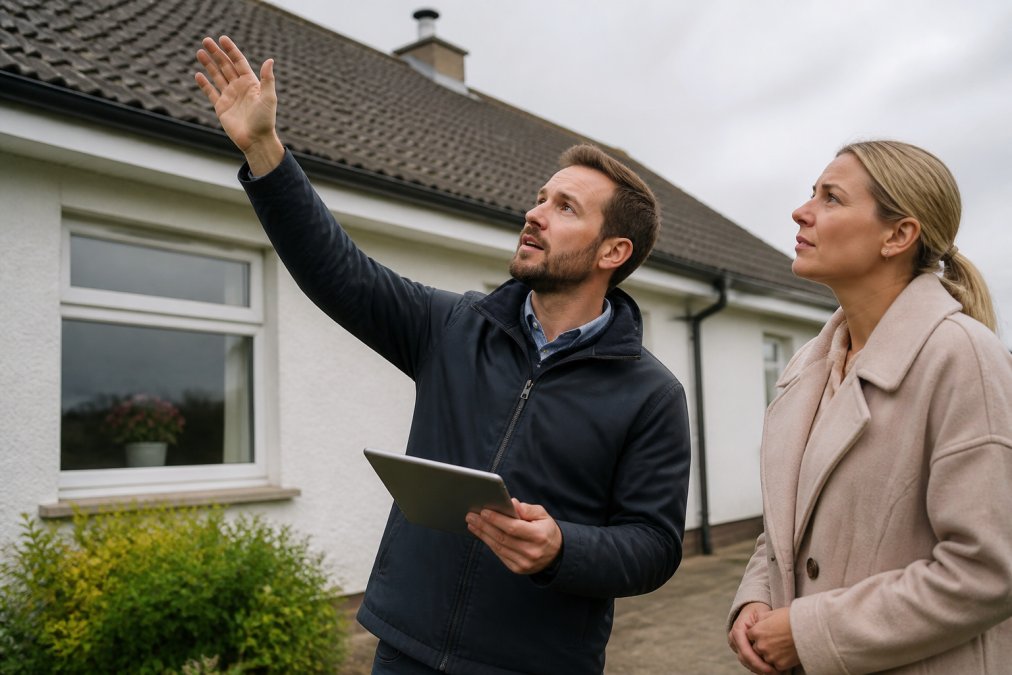
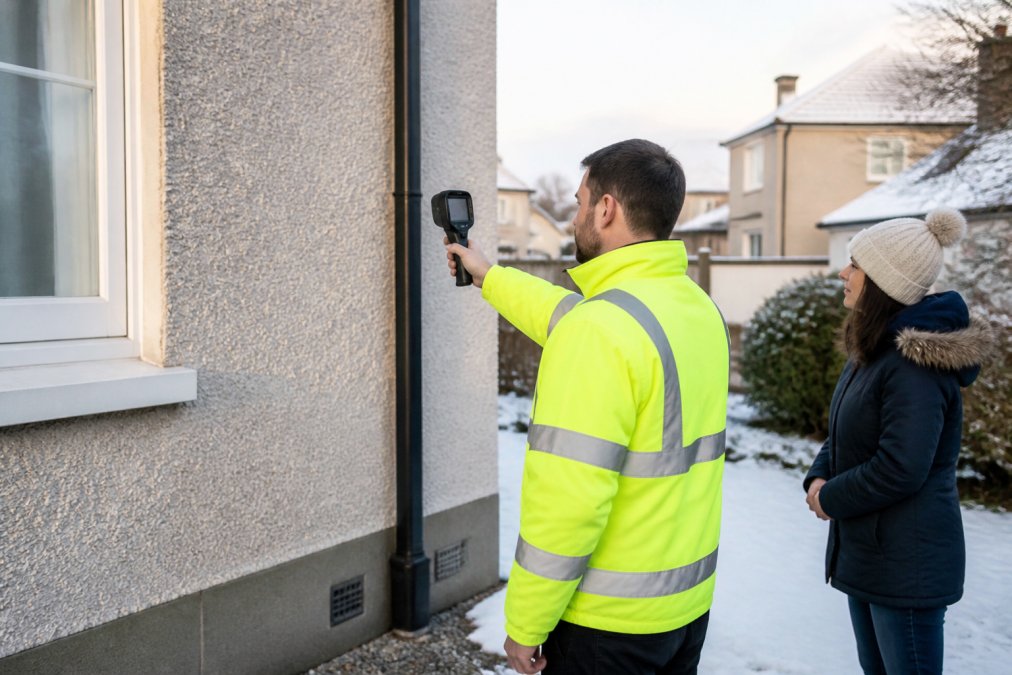
A free home energy survey is a comprehensive assessment of your property's energy performance, conducted by a qualified surveyor who identifies where heat is being lost and recommends tailored improvements. The process typically takes one to two hours and uses specialist equipment, including thermal imaging cameras, to detect heat loss and identify areas where energy is escaping.
The surveyor will examine your loft insulation depth, check for draughts around windows and doors, assess your heating controls, and evaluate whether renewable technologies like solar panels or heat pumps could work for your property. You'll receive a detailed report afterwards that outlines your home's current energy performance, explains your EPC (Energy Performance Certificate) rating, and provides specific recommendations prioritised by cost-effectiveness and potential energy savings.
A free home energy survey is entirely non-binding. You'll receive recommendations and information, but the choice to proceed with any improvements remains entirely yours. Smarter Utility's approach focuses on giving you the knowledge you need to make the right decision for your circumstances, not on pushing a particular solution.
Why Book a Free Home Energy Survey
Understanding your home's energy performance is the foundation for any meaningful energy-saving decision. A free home energy survey removes guesswork by identifying exactly which improvements will deliver the biggest impact on your energy bills and carbon footprint.
Reducing fuel bills is one of the most immediate benefits. Many homeowners discover they're losing significant heat through poor insulation, draughty windows, or inefficient heating systems. By identifying these problems early, you can prioritise fixes that will have the greatest effect on what you pay each month. The survey also helps you understand whether renewable energy options like solar panels or battery storage would be cost-effective for your specific property.
Your carbon footprint matters increasingly as climate change targets tighten. A free home energy survey quantifies your current energy consumption and shows how different improvements would reduce your environmental impact. Energy efficiency improvements often qualify for government grants and financial support schemes.
Thermal comfort is another benefit. Homes with poor insulation, draughty windows, or uneven heating tend to have cold spots and inconsistent temperatures. A professional assessment identifies these issues and recommends solutions that make your home more comfortable year-round.
The data from your survey becomes essential if you're considering government schemes like Warmer Homes Scotland or exploring zero-percent interest loans for energy improvements. These schemes often require a professional energy assessment to determine your eligibility and recommended improvements.
Warmer Homes Scotland Eligibility and Government Support
Warmer Homes Scotland is a Scottish Government scheme designed to help homeowners improve their energy efficiency and reduce fuel poverty (gov.scot). To qualify, you typically need to be a homeowner or private tenant with landlord's permission, own a property in Scotland, and meet certain income thresholds or fuel poverty criteria.
The scheme prioritises households in fuel poverty, defined as spending more than 10% of income on energy, and offers support for improvements like loft insulation, cavity wall insulation, draft proofing, heating controls, and renewable technologies (gov.scot). A free home energy survey is often the first step in determining whether your property qualifies and which improvements would be most beneficial.
Government support extends beyond Warmer Homes Scotland. Several schemes offer zero-percent interest loans for renewable energy installations, battery storage, and heat pump systems. The Energy Advice Network provides impartial guidance on government schemes, grants, and financing options. A free home energy survey gives you the detailed information needed to have a productive conversation with an energy advisor about your options.
Understanding Home Energy Efficiency Improvements for Your Property
Home energy efficiency improvements range from low-cost, high-impact measures like draft proofing to more substantial investments like insulation upgrades or renewable energy installations. The key to prioritising improvements is understanding which ones will deliver the greatest energy savings relative to their cost.
Insulation is typically the foundation of any energy efficiency strategy. Loft insulation is often the most cost-effective first step because heat rises and escapes through the roof if insulation is inadequate. Cavity wall insulation and solid wall insulation also reduce heat loss significantly.
Draft proofing addresses heat loss through gaps around windows, doors, and other openings. It's a relatively low-cost improvement that can be completed quickly and often delivers noticeable results in terms of comfort and reduced draughts.
Heating controls and smart thermostats allow you to heat your home more efficiently by adjusting temperature based on occupancy and time of day. Upgrading from basic on/off controls to programmable systems often delivers measurable savings.
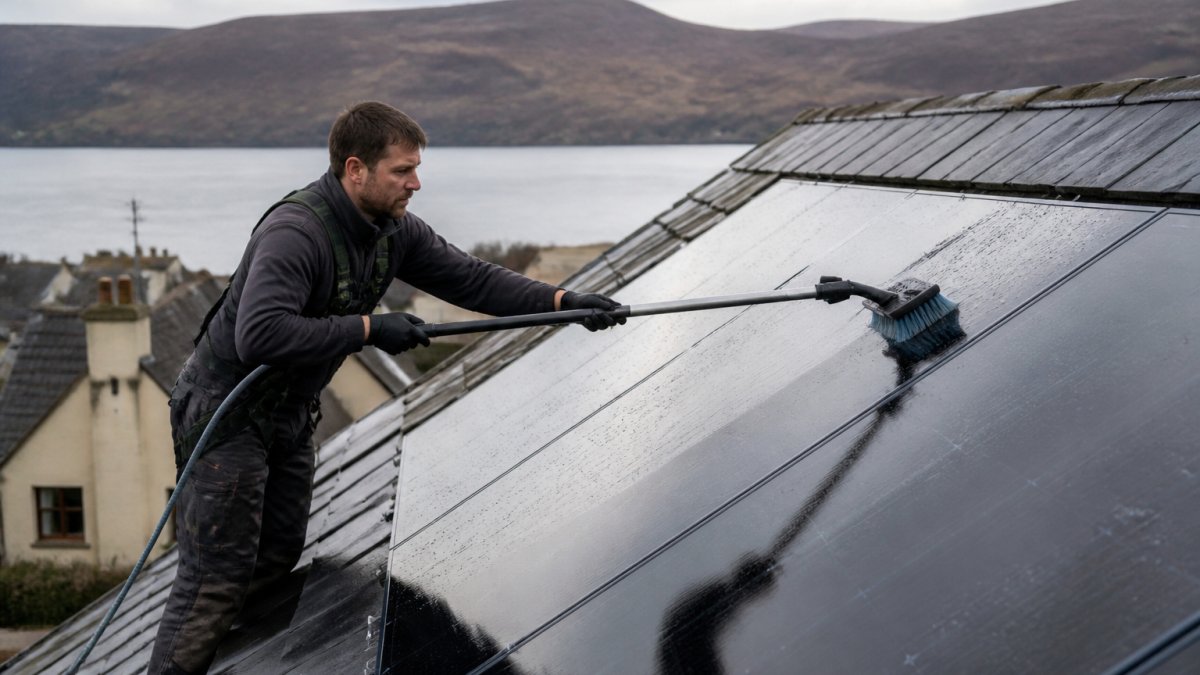
Renewable technologies like solar panels and heat pumps represent larger investments but offer long-term energy savings and can dramatically reduce your carbon footprint. Solar panels generate electricity from sunlight, reducing reliance on grid power. Heat pumps extract heat from the air or ground and use it to warm your home and water, replacing traditional boilers. Battery storage systems store excess solar energy for use when the sun isn't shining, maximising the benefit of renewable generation.
A free home energy survey will assess which improvements are appropriate for your specific property and explain the payback period for each improvement.
Solar Panel Installation Cost and Financial Options
Solar panel installation involves multiple cost components: the panels themselves, inverters, mounting hardware, wiring, and professional installation labour. Total costs vary significantly based on system size, roof condition, and whether battery storage is included. The best approach is to get a personalised quote based on your property's specific circumstances.
A free home energy survey is the ideal first step because the surveyor will assess your roof's suitability for solar panels, checking orientation, shading, structural integrity, and space available. This assessment determines whether solar makes sense for your property and what system size would be optimal.
Financial options for solar installation include outright purchase, which gives you immediate ownership and maximum long-term savings; financing through zero-percent interest loans, which spread costs over time without interest charges; and power purchase agreements, where a third party owns the system and you purchase the electricity generated at a fixed rate.
Click HERE for your FREE SURVEY today →
Battery storage systems work alongside solar panels to store excess energy for use when the sun isn't shining. Battery systems increase the value of solar installations by maximising self-consumption of generated electricity, reducing reliance on grid power during peak-rate hours.
Smarter Utility specialises in designing and installing solar systems tailored to your specific energy needs. The free survey provides the detailed information required to design a system that maximises your energy savings.
How to Prepare for Your Energy Assessment
Preparing for your free home energy survey ensures the surveyor has access to all relevant information and can conduct a thorough assessment.
Gather your recent energy bills, ideally the last 12 months, and have them available during the survey. Your bills show your actual energy consumption patterns and provide baseline data for calculating potential savings from recommended improvements.
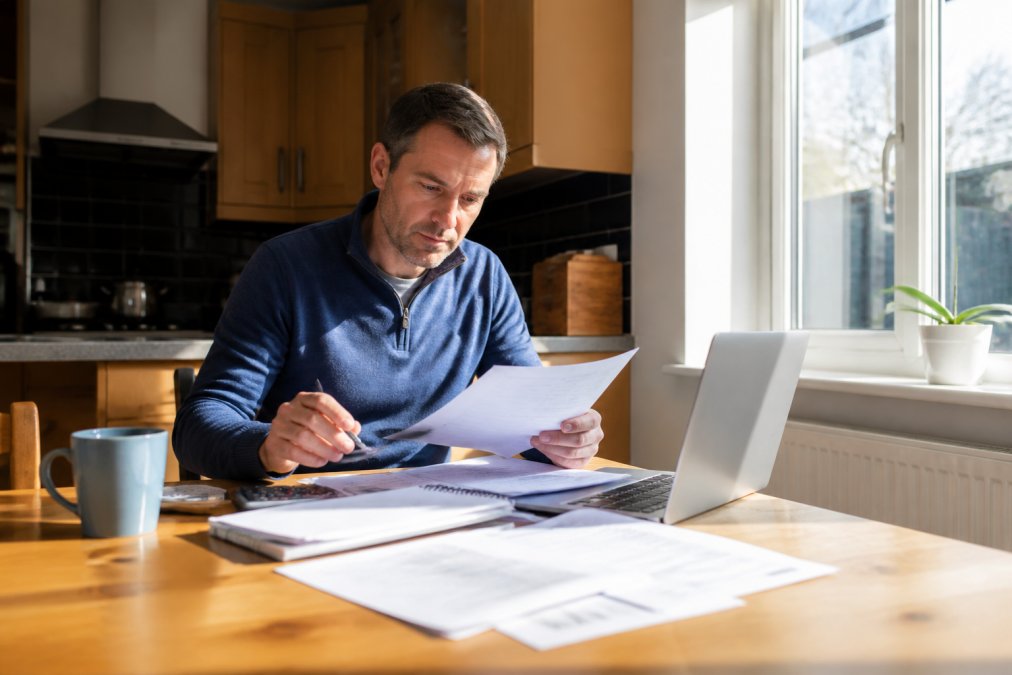
Make a note of any energy-related issues you've noticed: cold rooms, draughts, high heating bills, or areas where condensation forms. If you've had previous energy assessments, locate those reports so the surveyor can see what's changed.
Clear access to key areas of your property. The surveyor will need to examine your loft, check your heating system and boiler, and examine windows and doors throughout the property. Removing clutter from these areas makes the survey more efficient and thorough.
Prepare questions about specific improvements or technologies like solar panels, heat pumps, or battery storage. Don't feel pressured to make decisions during the survey. The purpose is information gathering, not sales.
What Happens After Your Survey
Once your free home energy survey is complete, you'll receive a detailed energy report within a few days. This report typically includes your current EPC rating, an analysis of your property's thermal efficiency, specific recommendations for improvements prioritised by cost-effectiveness, estimated energy savings for each recommendation, and information about grants or financial support you might qualify for.
Review the report carefully and identify which recommendations align with your priorities and budget. Some homeowners prioritise cost savings and focus on quick-win, low-cost improvements first. Others prioritise reducing their carbon footprint and may be more interested in renewable energy solutions.
If you're interested in pursuing recommended improvements, the next step is typically to get detailed quotes from installers. Smarter Utility can provide a tailored design and quotation based on your survey results. Contact your local authority or energy advisor if you're interested in exploring government grants or financing schemes.
Implementation timelines vary depending on the improvements you choose. Simple measures like draft proofing can be completed in days. Insulation upgrades typically take one to two weeks. Solar and battery installations usually take two to four weeks from order to completion.
After improvements are installed, consider requesting a follow-up energy assessment to verify that the work has delivered the expected results. Comparing your energy bills before and after improvements provides concrete evidence of the savings achieved.
Conclusion
Booking a free home energy survey is the essential first step toward reducing your energy bills, lowering your carbon footprint, and creating a more comfortable home. The survey provides the detailed information you need to make informed decisions about energy improvements, understand your eligibility for government grants and financing schemes, and design systems tailored to your specific property.
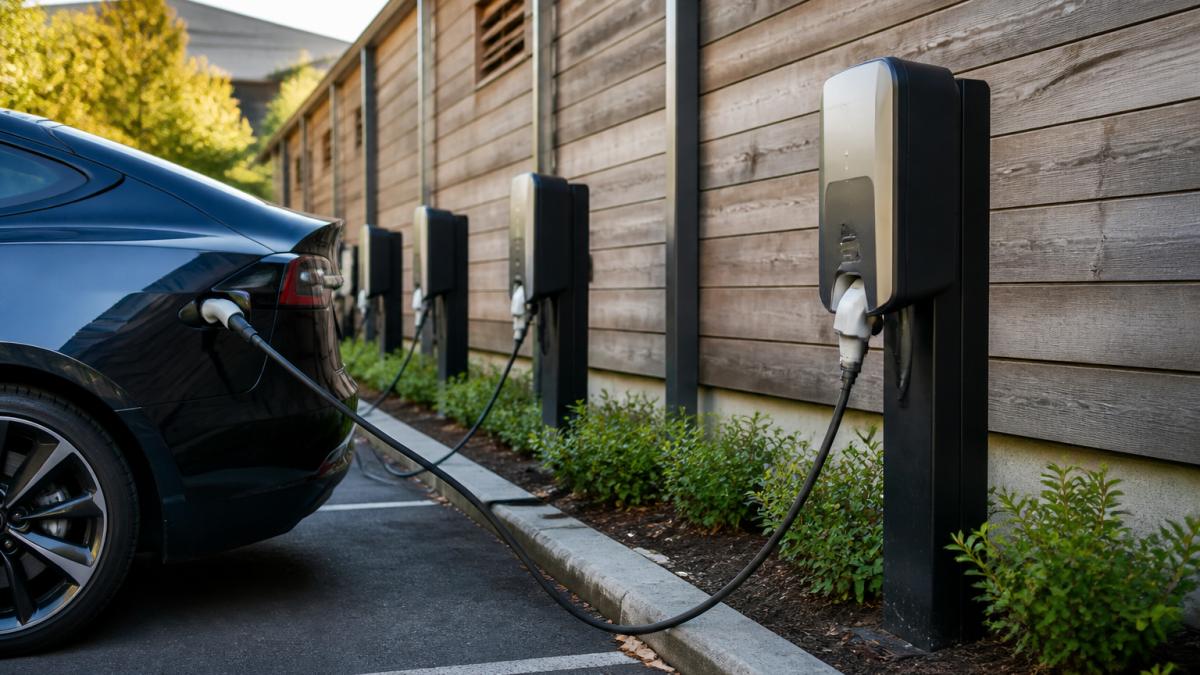
Smarter Utility's free home energy survey gives you access to professional expertise without obligation. Our fully accredited team conducts thorough assessments using thermal imaging and specialist equipment to identify exactly where energy improvements will deliver the greatest impact. We design tailored solar, battery storage, and EV charging solutions that match your specific energy needs and integrate seamlessly with your home.
Contact Smarter Utility today for your free home energy survey and take the first step toward a more efficient, sustainable home. Our team will assess your property, explain your options, and help you understand which improvements make sense for your circumstances, with no pressure and no obligation to proceed.
| Preparation Task | Purpose | Timing |
|---|---|---|
| Gather 12 months of energy bills | Baseline consumption data | Before survey |
| Note energy issues you've observed | Prioritise surveyor investigation | Before survey |
| Clear access to loft and key areas | Enable thorough assessment | Day before survey |
| Prepare questions about improvements | Clarify options and suitability | Before survey |
| Review report carefully | Understand recommendations | Within one week |
| Get detailed quotes for improvements | Compare costs and timelines | Within two weeks |
Frequently Asked Questions
What does a free home energy survey actually involve?
A home energy survey is a comprehensive assessment of your property's energy performance. Our surveyor will examine your insulation, heating systems, windows, doors, roof, and electrical infrastructure. They use specialist equipment including thermal imaging to identify heat loss and energy inefficiencies. The survey typically takes 1-2 hours and produces a detailed energy saving report with personalised recommendations tailored to your home's specific needs and your budget.
Am I eligible for Warmer Homes Scotland support?
Warmer Homes Scotland eligibility depends on your household income, property age, and current heating system. The scheme prioritises fuel-poor households and those living in older properties with poor insulation or inefficient heating. Your energy survey will assess whether you qualify for grants or zero-percent interest loans to fund improvements. Our team can advise you on eligibility during your assessment and help you understand which government schemes apply to your situation.
How much does solar panel installation cost in my area?
Solar panel installation cost varies significantly based on your roof size, orientation, shading, and the system capacity you need. Factors like your current electrical panel, battery storage requirements, and any EV charging integration also affect pricing. Your free survey provides a personalised quote with no hidden fees or obligation to proceed. We can discuss financing options, including zero-percent loans and available grants, to make the investment manageable for your circumstances.
Will my older home be suitable for solar panels and an EV charger?
Most properties can accommodate solar panels and EV charging, regardless of age. Older homes may require electrical panel upgrades or additional wiring, which our surveyor will identify during your assessment. We design systems to work with your existing infrastructure and can plan for future additions like heat pumps. Your survey report will clearly explain any preparatory work needed and how costs factor into your overall project plan.
This article was written using GrandRanker