 comparison
ElectroPoint vs SmartHomeCharge: EV Chargers Compared
Table of Contents
- ElectroPoint vs SmartHomeCharge: Quick Comparison
- Smart EV Charger Features Comparison
- Home EV Charger Installation Cost and Process
- OZEV Approved EV Charger Installers and Certification
- Integration with Solar and Battery Storage
- Long-Term Reliability and Support
- Which Charger Should You Choose?
- Frequently Asked Questions
Last Updated: September 18, 2026
ElectroPoint vs SmartHomeCharge: Quick Comparison
When conducting an EV charger comparison for your home, the choice between ElectroPoint and SmartHomeCharge depends on your priorities. SmartHomeCharge excels at integration with time-of-use energy tariffs and smart scheduling. ElectroPoint focuses on straightforward, reliable installation. The real decision comes down to whether you want advanced smart features or a simpler setup.
Smart EV Charger Features Comparison
An EV charger comparison of smart features shows both systems offer intelligent load balancing to prevent household fuse overload, but they diverge significantly in execution and integration depth.
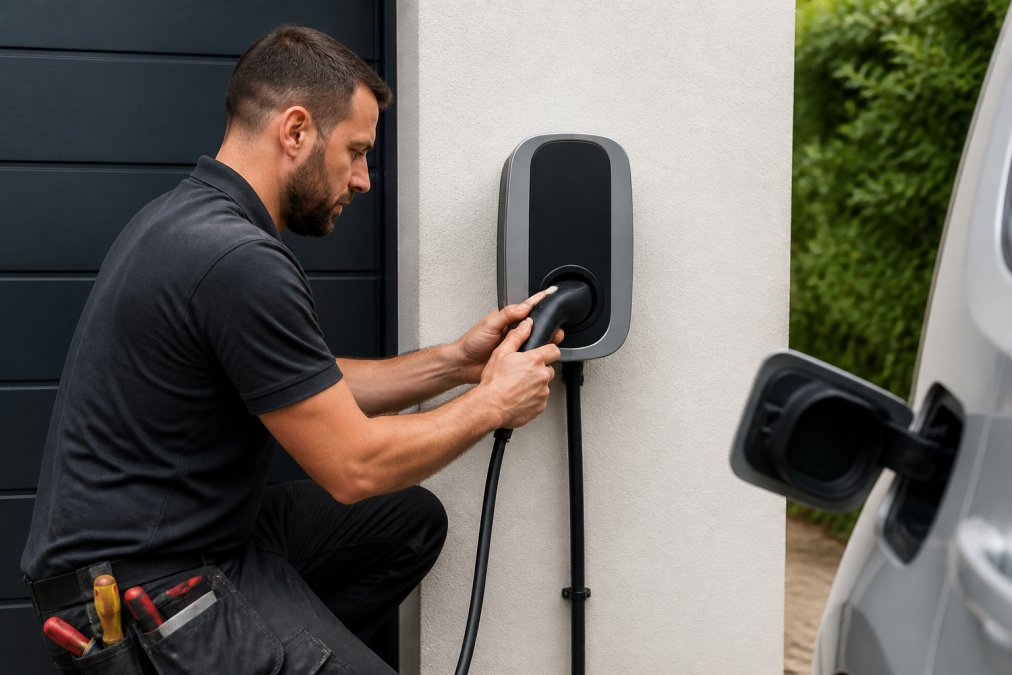
SmartHomeCharge integrates with dynamic energy tariffs, automatically scheduling charging during cheapest hours and monitoring household load in real time. ElectroPoint offers load balancing but requires manual intervention to optimise for tariff changes. For homeowners with variable-rate energy plans, SmartHomeCharge delivers measurable cost savings through automated scheduling.
Charging Speed and Power Output
Both systems support standard UK charging speeds: 3.6kW single-phase and 7kW three-phase output. The difference lies in how they manage that power. SmartHomeCharge's dynamic load management prevents your home's electrical system from becoming overloaded when multiple appliances run simultaneously. ElectroPoint delivers consistent power but leaves load management to the homeowner's awareness.
If your home has limited electrical capacity, SmartHomeCharge's intelligent distribution prevents exceeding grid connection limits automatically. ElectroPoint requires manual management or prior electrician assessment. Upgrading your infrastructure to support these sophisticated load-balancing features often necessitates a thorough evaluation of the residential electrical panels currently installed in your home.
Smart Scheduling and Load Balancing
SmartHomeCharge learns your driving patterns and automatically charges during off-peak hours (typically 11 PM-7 AM), communicating with smart meters to adjust for real-time energy costs.
SmartHomeCharge prevents overload by reducing charger output when other appliances demand power. ElectroPoint lacks this feature, requiring you to manage simultaneous appliance use manually.
Tethered vs Untethered Cable Options
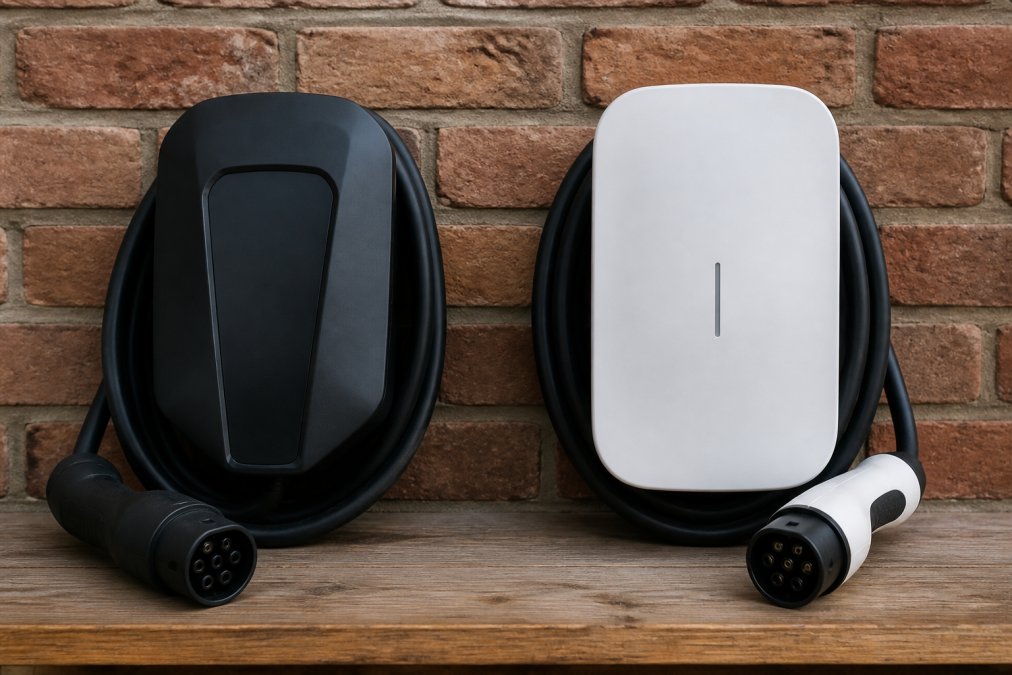
A tethered charger has a permanently attached cable that never gets lost or damaged. An untethered charger lets you use your own Type 2 cable for flexibility across multiple locations.
SmartHomeCharge offers both options; ElectroPoint primarily supplies tethered units. For most UK homeowners, tethered is simpler and safer.
Home EV Charger Installation Cost and Process
Installation involves electrical assessment, consumer unit modifications, and compliance testing. Both use certified installers, but timelines and service models differ meaningfully.
Installation Survey and Assessment
Every installation starts with an electrical survey to assess your consumer unit, earthing, and electrical capacity, determining if infrastructure upgrades are needed.
SmartHomeCharge requires a more detailed survey (45-60 minutes) covering heating, hot water, cooker, and planned upgrades to optimise for your energy ecosystem. ElectroPoint's survey is more straightforward, focusing on safety and capacity. Both may recommend consumer unit upgrades for older properties.
Lead Times and Installation Scheduling
SmartHomeCharge operates a centralised booking system with lead times of 2-4 weeks from survey to installation. Consumer unit upgrades add 1-3 weeks.
ElectroPoint uses independent local installers, with lead times varying from 2-8 weeks depending on workload. You gain local flexibility but lose predictability.
SmartHomeCharge's standardised timelines suit homeowners needing quick installation. ElectroPoint's flexibility works better if you can accommodate longer, unpredictable timelines.
Electrical Safety and Consumer Unit Requirements
Installing an EV charger may require consumer unit modifications, especially in older homes. PEN fault protection is mandatory for all new installations to prevent dangerous voltage faults.
Consumer unit upgrades typically cost £800-£2,500. SmartHomeCharge's installers recommend upgrades upfront and coordinate them with charger installation. ElectroPoint's simpler approach may allow minimal upgrades, though this is less common in older properties.
SmartHomeCharge integrates consumer unit upgrades into broader home energy modernisation, while ElectroPoint treats them separately.
Post-Installation Support and Handover
SmartHomeCharge provides structured handover with app training and 30-day free support. Technical support is available via phone or email with 24-hour response times for non-urgent issues.
ElectroPoint's handover depends on your installer's responsiveness and availability, creating inconsistent post-installation support.
OZEV Approved EV Charger Installers and Certification
Both ElectroPoint and SmartHomeCharge use OZEV-approved installers, ensuring installations meet Building Regulations and electrical safety standards.
OZEV-approved installers have completed formal training and follow standardised protocols. Verify credentials before booking, this is non-negotiable.
Proper certification adds resale value by assuring future owners the charger meets all safety requirements.
Integration with Solar and Battery Storage
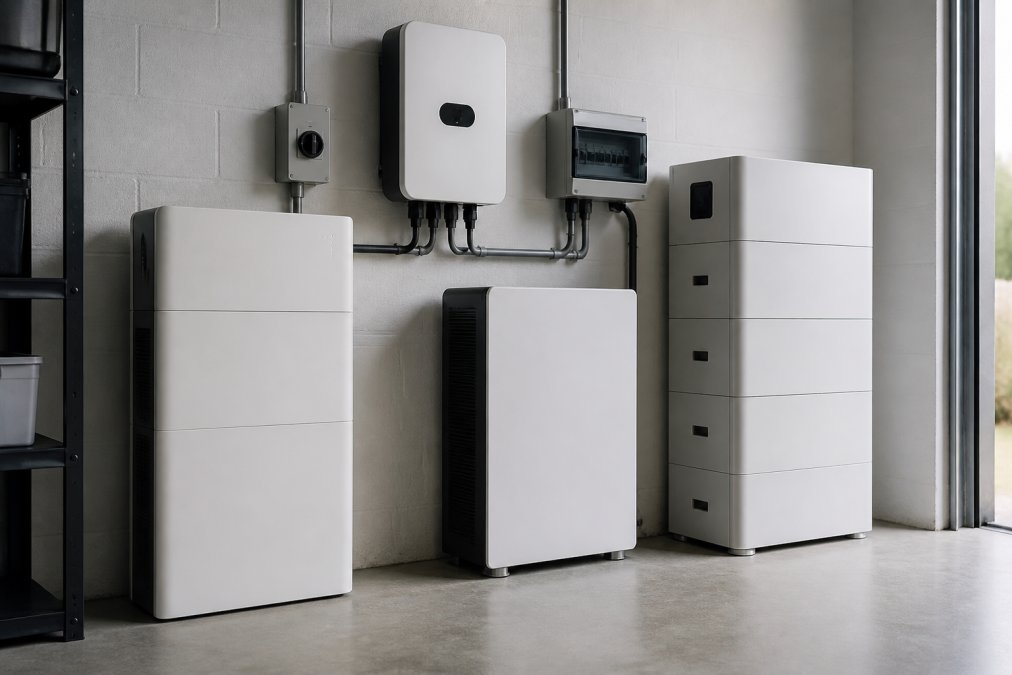
SmartHomeCharge offers superior solar integration, prioritising EV charging during peak solar generation to maximise self-consumption and reduce grid draw.
SmartHomeCharge's eco-charging mode integrates with battery storage, waiting for stored solar energy before charging. ElectroPoint charges on schedule regardless of solar generation.
Click HERE for your FREE SURVEY today →
For homeowners combining solar, battery storage, and EV charging, SmartHomeCharge delivers measurable financial and environmental benefits. The system optimises all three elements together, reducing your reliance on grid electricity. This integration becomes increasingly valuable as solar and battery costs fall, making multi-system homes more common.
Long-Term Reliability and Support
Both use established hardware, but post-installation support, warranty coverage, and problem resolution differ meaningfully over a decade of daily use.
Warranty Coverage and Manufacturer Support
SmartHomeCharge includes a 5-year hardware warranty plus 2-year extended warranty on the smart control module, covering software-related issues.
ElectroPoint includes a 3-year hardware warranty covering defects only, not software or connectivity issues. Wi-Fi failures after year 3 require out-of-pocket repair.
SmartHomeCharge's longer warranty reflects added smart system complexity. ElectroPoint's shorter warranty suits its simpler design.
Remote Diagnostics and Troubleshooting
SmartHomeCharge provides remote monitoring, allowing support to troubleshoot via Wi-Fi without technician visits. Most issues resolve remotely within 24 hours.
ElectroPoint relies on local installer support, requiring on-site diagnosis for every issue. This works well if your installer is responsive, but becomes frustrating if they're difficult to reach.
SmartHomeCharge's remote support is valuable for rural homeowners or those with unresponsive local installers.
Firmware Updates and Feature Improvements
SmartHomeCharge updates automatically over Wi-Fi overnight, deploying security patches quickly across the user base. No action required.
ElectroPoint updates require manual intervention or technician visits, creating security risks if your installer is unresponsive.
Over 10 years, SmartHomeCharge users benefit from continuous automatic updates. ElectroPoint users may fall behind if their installer is unresponsive.
Common Failure Modes and Preventive Maintenance
Wi-Fi connectivity loss is the most common issue. SmartHomeCharge's remote monitoring alerts you immediately and support can resolve it remotely. ElectroPoint lacks this visibility.
Cable wear is predictable from repeated bending. SmartHomeCharge offers optional annual cable inspection. ElectroPoint doesn't offer preventive maintenance.
Internal electrical faults are rare but serious. SmartHomeCharge's remote diagnostics identify them immediately. ElectroPoint requires a technician visit.
Support Responsiveness and Escalation
SmartHomeCharge offers centralised support via phone, email, and chat with guaranteed response times: 24 hours for non-urgent issues, 4 hours for urgent ones. Escalation is straightforward.
ElectroPoint support depends entirely on your installer's responsiveness and availability, with no centralised escalation path.
Which Charger Should You Choose?
Choose SmartHomeCharge if you want to minimise electricity costs, plan solar or battery storage, or need home energy integration. Smart features deliver genuine financial benefits with variable-rate tariffs.
Choose ElectroPoint if you want straightforward installation and reliable charging without energy optimisation complexity.
Both work. SmartHomeCharge rewards engaged homeowners who monitor energy. ElectroPoint serves those who prefer simplicity.
For Scottish homeowners combining energy upgrades, solar, and battery storage, SmartHomeCharge creates a unified optimised system. Smarter Utility specialises in designing integrated EV charging solutions that work with solar PV and battery systems, tailored to your home's specific electrical capacity and energy profile. A free survey reveals what your home can support.
Choosing between EV chargers means deciding whether you want active energy management or passive reliability. SmartHomeCharge excels at the former; ElectroPoint delivers the latter. But the real decision should factor in your broader home energy plans. If you're investing in solar panels or battery storage, your charger choice cascades into those decisions.
Frequently Asked Questions
What is the typical cost of a home EV charger installation in the UK?
Installation costs vary based on your electrical setup, property type, and chosen charger model. Factors including consumer unit upgrades, cable routing, and whether your home requires a new grid connection all influence the final price. An installation survey identifies your specific needs and provides an accurate quote. Most homeowners benefit from obtaining multiple quotes to compare costs and service levels across OZEV approved installers.
Should I choose a tethered or untethered EV charger?
Tethered chargers have a permanent cable attached, offering convenience and protection from cable damage or theft. Untethered models require you to supply your own charging cable, providing flexibility to use different cable lengths and types. Tethered suits most residential installations where the charger stays in one location. Untethered works better if you need portability or already own multiple compatible cables for different vehicles.
What makes an EV charger installer OZEV approved?
OZEV approved installers meet strict safety and competency standards set by the Office for Zero Emission Vehicles. They must demonstrate knowledge of electrical safety, PEN fault protection, and proper installation procedures. Choosing an approved installer ensures your charger meets Building Regulations and safety standards, protects your warranty, and may qualify you for government grant schemes. Always verify installer credentials before booking.
Can I integrate an EV charger with my solar PV system?
Yes, many smart chargers offer solar integration through dynamic load balancing and eco-charging modes. These features allow your charger to prioritise self-generated renewable energy, maximising your solar investment and reducing grid consumption. Integration works best when your charger supports real-time energy management and communicates with your solar system's monitoring software. Discuss solar compatibility during your installation survey to ensure optimal design.