 comparison
Electropoint vs Smarthomecharge: 2026 Comparison
Table of Contents
- Electropoint vs Smarthomecharge at a Glance
- Charging Speed and Power Output
- Tethered vs Untethered Chargers: Which Suits You
- Smart Features and App Connectivity
- EV Charger Installation Cost and OZEV Approved Installers
- Solar Integration and Energy Management
- Which One Should You Choose?
Last Updated: August 29, 2026
Electropoint vs Smarthomecharge at a Glance
Choosing between Electropoint and Smarthomecharge hinges on what matters most: cost, charging speed, smart features, or renewable energy integration. Both are credible UK options serving different priorities. Electropoint focuses on reliable, straightforward charging with solid smart capabilities. Smarthomecharge emphasises advanced energy management and tariff integration for users seeking maximum savings from off-peak charging.
| Feature | Electropoint | Smarthomecharge | Winner |
|---|---|---|---|
| Charging Speed | Up to 7kW (single-phase) | Up to 11kW (three-phase) | Smarthomecharge |
| Cable Type | Tethered or untethered | Tethered | Electropoint (flexibility) |
| Smart Features | App control, scheduling | App control, tariff integration, load balancing | Smarthomecharge |
| Solar Integration | Basic compatibility | Advanced energy management | Smarthomecharge |
| Installation Cost | Lower entry point | Higher initial investment | Electropoint |
| Best For | Budget-conscious, simple setup | Energy optimisation, off-peak charging |
Charging Speed and Power Output
Smarthomecharge delivers up to 11kW of power, enabling a full charge in 6-8 hours overnight. Electropoint maxes out at 7kW, extending that to 10-12 hours. For most UK homeowners charging overnight on off-peak tariffs, this difference is minimal. But if you need daytime top-ups or charge multiple vehicles, Smarthomecharge's higher output becomes genuinely useful.
Power output depends on your home's electrical infrastructure. A 7kW charger requires standard single-phase supply (most homes have this), while 11kW typically demands three-phase. If your property lacks three-phase, you're capped at 7kW regardless of charger choice. A qualified installer should assess this before recommending anything.
Tethered vs Untethered Chargers: Which Suits You
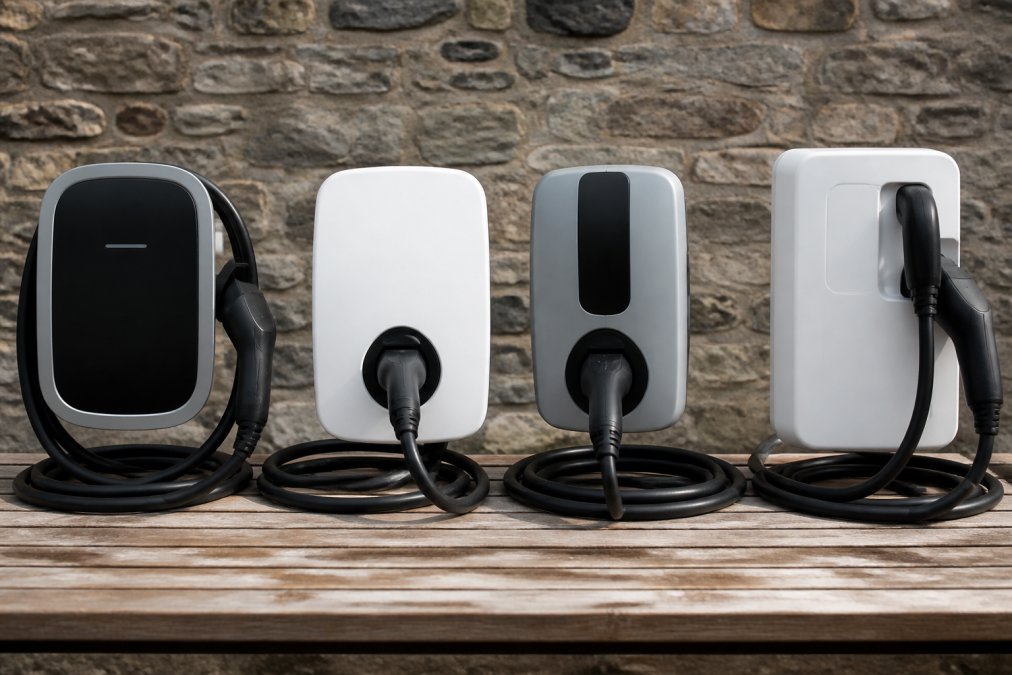
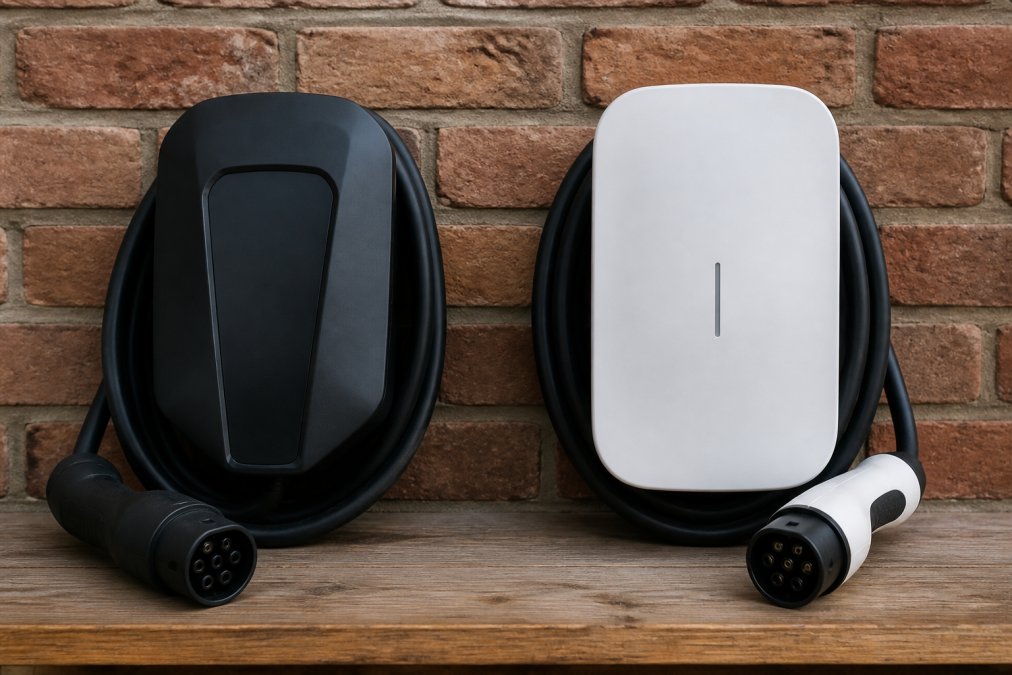
Tethered chargers have a fixed cable permanently attached; untethered units require you to provide your own cable. Electropoint offers both options; Smarthomecharge comes tethered only. Tethered cables typically range 5-10 metres, which matters if your parking spot is distant from the wall unit. An untethered setup lets you choose cable length independently, though longer cables add cost and storage hassle.
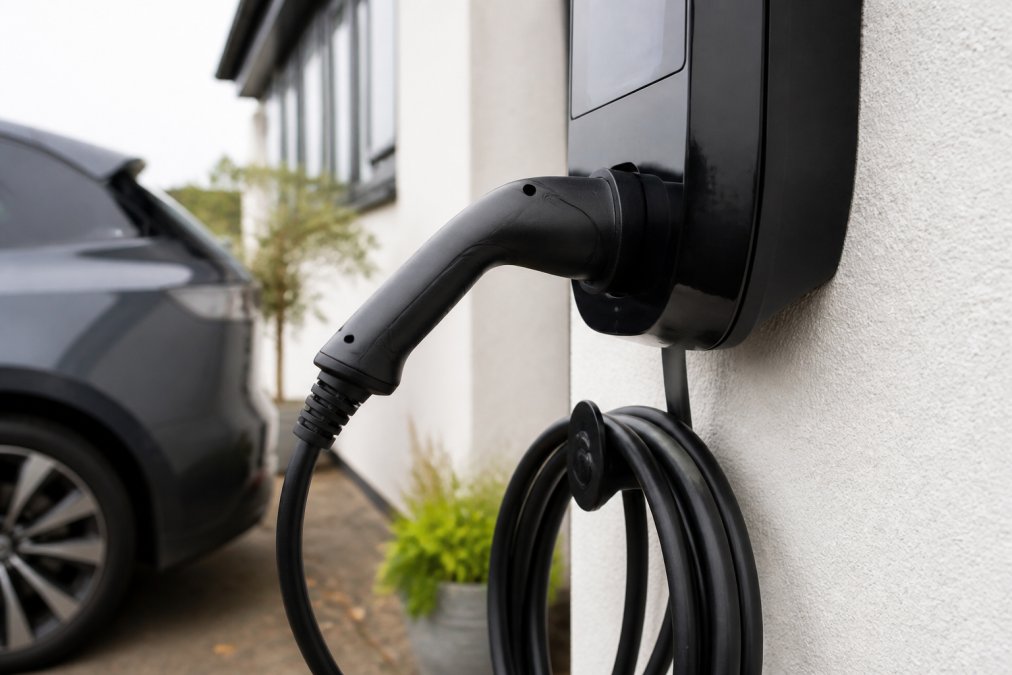
Tethered wins for convenience; untethered wins for flexibility and lower initial cost. Neither is inherently better, it depends on your workflow.
Smart Features and App Connectivity
Smarthomecharge integrates directly with energy tariffs like Octopus Go, automatically shifting charging to off-peak hours when electricity is cheaper. This dynamic pricing integration can save £200-400 annually on compatible tariffs. Electropoint offers app-based monitoring and scheduling but doesn't actively hunt for cheapest charging windows.
Load balancing is another Smarthomecharge advantage. If you're running multiple appliances simultaneously, load balancing automatically throttles the charger to prevent overloading your electrical system. Electropoint provides load balancing too, but Smarthomecharge's real-time adjustment is more sophisticated.
For homes planning solar panels or battery storage, Smarthomecharge's energy management ecosystem is more mature. It prioritises charging when solar generates peak power, effectively turning your EV into a moving battery for excess renewable energy. Electropoint handles solar integration less elegantly.
EV Charger Installation Cost and OZEV Approved Installers
Installation involves electrical work, potential rewiring, safety certification, and labour, typically £500-1,500 depending on your property. Before choosing a charger, confirm that OZEV-approved installers operate in your area using the OZEV approved installer search tool. This five-minute check prevents choosing a charger no local installer supports.
Verifying Installer Availability by Region
Both chargers rely on accredited installer networks, but availability varies significantly by region. Rural properties often discover their nearest approved installer is 30+ miles away, adding travel costs. Urban and suburban areas typically have multiple options within 10 miles.
What a Professional Survey Should Cover
A proper pre-installation survey includes:
Electrical assessment: The surveyor tests your home's current capacity, determines single-phase or three-phase supply, checks spare capacity on your main circuit breaker, and verifies earthing and bonding meet Building Regulations. This determines whether you can install an 11kW charger or are capped at 7kW.
Cable routing: The surveyor identifies the most practical path from your consumer unit to your parking location. Running cable through external walls, under driveways, or through lofts carry different costs. Trenching under paved driveways can add £800-1,200; external runs along house walls cost significantly less.
Upgrade requirements: If your consumer unit is old, lacks spare capacity, or uses outdated earthing, an upgrade is mandatory. A modern consumer unit upgrade typically costs £1,200-2,000. A survey identifies this upfront, not after installation begins.
Building Regulations compliance: The surveyor confirms whether your installation requires Building Regulations sign-off (most do) and whether structural work needs planning permission (rarely, except on listed properties).
Credible installers provide surveys free or for £50-100 (often credited against installation). If an installer quotes without surveying, walk away.
Comparing Installer Quotes
Compare quotes line-by-line, breaking down:
- Charger unit cost
- Cable and fixings
- Labour for installation
- Electrical work (consumer unit upgrade if needed, new circuit, earthing)
- Building Regulations certification (typically £150-300)
- Warranty and aftercare
Two quotes for the same charger can differ by £500+ due to legitimate upgrade requirements. The installer quoting low without mentioning upgrades is either missing something or will bill you later.
OZEV Accreditation and Grant Eligibility
Both chargers qualify for installation by OZEV-approved installers, which matters because only accredited installers can claim grant funding. Check the OZEV scheme current status for latest eligibility and funding levels. Accredited installers handle grant paperwork, typically reducing your out-of-pocket cost by 20-30%.
Solar Integration and Energy Management
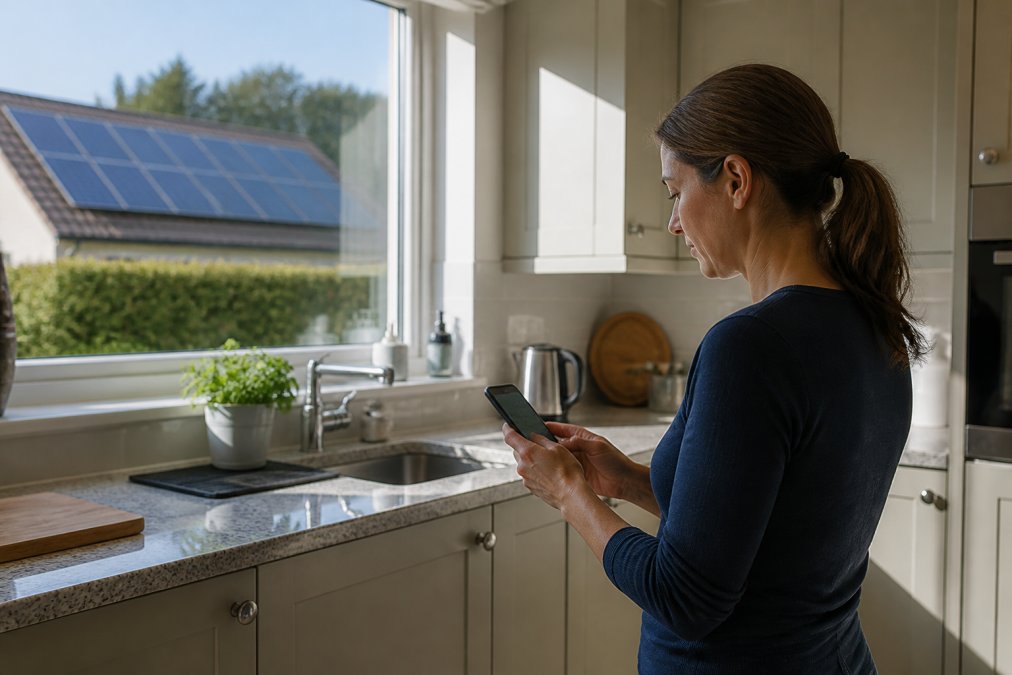
If you're planning solar panels or already have them, Smarthomecharge's energy management capabilities excel. It understands the relationship between solar generation, battery storage, and EV charging demand, automatically prioritising charging when panels produce peak power.
Smarthomecharge integrates with popular solar monitoring systems (Enphase, SolarEdge, Fronius) via API, meaning the charger sees real-time generation data. When your panels generate 5kW and your home uses 2kW, the charger knows 3kW is available and draws safely. As cloud cover reduces generation, the charger throttles automatically.
Electropoint supports solar integration but typically requires manual scheduling or separate third-party apps. You set charging windows based on historical patterns, which works adequately but doesn't adapt to real-time conditions.
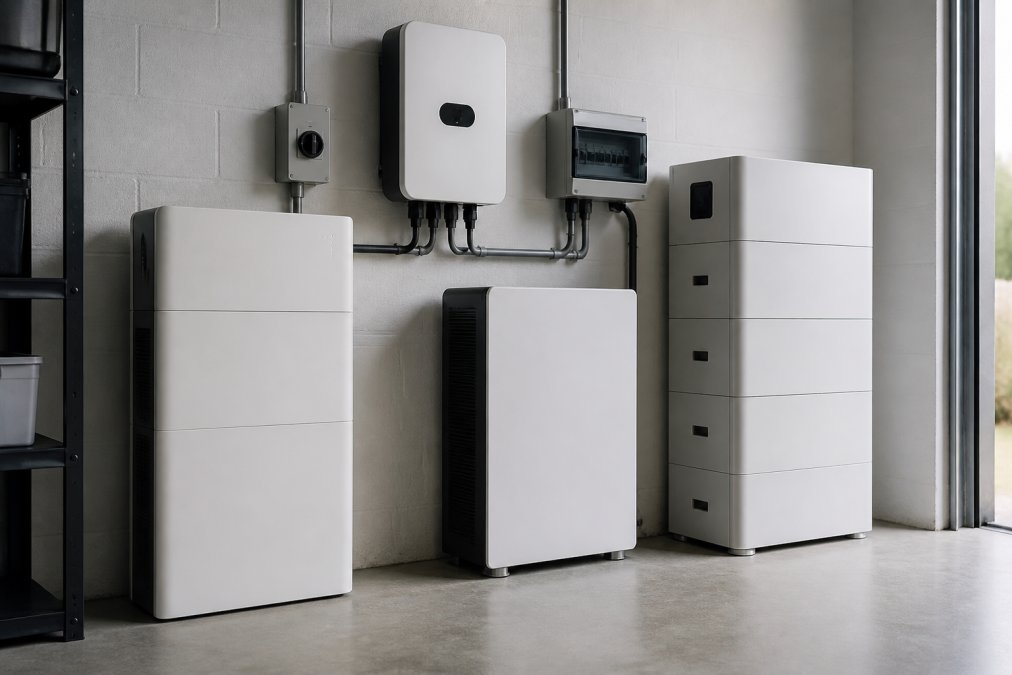
For homes with battery storage, Smarthomecharge's layered approach is powerful: solar generation → battery storage → EV charging. The charger prioritises stored battery energy first, minimising grid draw during peak-rate hours.
Long-Term Maintenance, Warranty, and Repair Costs
Both chargers typically include 5-year manufacturer's warranties covering defects in materials and workmanship. This covers internal electronics, charging circuits, and cables. It doesn't cover weather damage, electrical surges, or wear from heavy use.
Common failure points: EV chargers are generally reliable. Most common issues include weathering of external connectors (corrosion, water ingress in years 2-4), cable degradation from repeated flexing and UV exposure, smart module failures affecting app connectivity, and thermal sensor faults causing unnecessary throttling.
Repairs typically cost £200-600 if covered by warranty, or £400-1,200 if out of warranty. Replacement units cost £1,500-2,500 plus reinstallation labour.
Aftercare and support: Both manufacturers offer phone and email support during business hours with 24-48 hour response times. Most installers offer their own aftercare support (often included in year one, then paid annually), which is typically faster than manufacturer support.
Extended warranty and protection plans: Both chargers can be covered by extended warranties or home electrical protection plans costing £100-200 upfront, covering accidental damage, wear-and-tear repairs, and replacement if uneconomical to fix. These are worth considering if your home's electrical infrastructure is older or you're in a high-risk area.
Future-Proofing: V2H and Bidirectional Charging Readiness
Bidirectional charging (Vehicle-to-Home, or V2H) allows your EV's battery to discharge power back into your home during peak-rate hours. Smarthomecharge is V2H-ready in its hardware design; Electropoint's current hardware is not V2H-capable and would require replacement for bidirectional charging.
If you're installing a charger today and planning to keep it 8-10 years, Smarthomecharge's V2H readiness means you won't need replacement when bidirectional charging becomes standard.
Which One Should You Choose?
Pick Smarthomecharge if you're committed to energy optimisation, have a compatible tariff, or plan solar and battery storage. The higher upfront cost is offset by smarter charging that saves money over time.
Pick Electropoint if you want a reliable, straightforward charger without complexity. It handles the job well, offers flexibility with tethered and untethered options, and costs less to start.
Both are credible products. The difference is philosophical: Smarthomecharge asks your charger to actively manage household energy; Electropoint asks it to be dependable and simple. Neither is wrong, they serve different priorities.
A free home survey reveals your electrical capacity, identifies upgrades needed, and clarifies which charger aligns with your budget and long-term plans.
The UK government's OZEV approved installer scheme
Energy Saving Trust guidance on EV charging at home
Octopus Energy's smart tariff integration for EV charging
Frequently Asked Questions
What is the main difference between Electropoint and Smarthomecharge chargers?
Electropoint and Smarthomecharge differ primarily in cable design and smart features. Electropoint typically offers untethered options requiring a separate cable, while Smarthomecharge emphasises tethered models with integrated cables. Both support smart charging, but they integrate differently with energy tariffs and solar systems. Your choice depends on your preference for cable management, existing solar setup, and whether you want app-controlled scheduling or tariff-based automation.
What should I look for when choosing an EV charger installer?
Ensure your installer is OZEV approved and holds relevant electrical certifications. They should offer a professional site survey to assess your home's electrical capacity and installation feasibility. Ask about warranty coverage, ongoing support, and whether they handle grid connection requirements. Reputable installers provide transparent quotes, timeline commitments, and can advise on load balancing and safety features like residual current device (RCD) protection. Request references from previous installations to verify reliability.
Are there government grants available for home EV charger installation?
The Office for Zero Emission Vehicles (OZEV) grant scheme previously provided funding towards home charger installation costs, though eligibility and availability change regularly. Check the current government website for active schemes and requirements. Some energy suppliers also offer incentives for smart chargers that support off-peak charging. Speak with an OZEV approved installer who can advise on any available support and help you understand what costs you may be eligible to offset.
How do tethered and untethered chargers differ in daily use?
Tethered chargers have a built-in cable permanently attached to the unit, offering convenience and faster connection to your vehicle. Untethered chargers require you to supply and manage your own charging cable, providing flexibility but requiring cable storage. Tethered options suit regular daily charging with fixed parking spots. Untethered chargers work better if you charge in multiple locations or prefer to keep cables separate. Both types deliver the same charging speed; the difference is purely in cable management and user preference.
Ready to make the right choice for your home? Click HERE for your FREE SURVEY today. Our fully accredited team will assess your electrical setup, discuss your energy goals, and recommend the charger that actually fits your needs, not the one with the most marketing hype.
This article was written using GrandRanker