 listicle
Solar Panel Financing Options Scotland 2026: Costs & Loans
Table of Contents
- Quick Comparison: Solar Panel Financing Options in Scotland 2026
- Solar Panel Installation Costs 2026
- Home Energy Scotland Loan Eligibility
- Benefits of Solar Battery Storage
- Private Financing vs. Government Loans
- Financing for Low-Income Households
- 2026 Policy Roadmap Updates
- Frequently Asked Questions
Last Updated: September 25, 2026
Quick Comparison: Solar Panel Financing Options in Scotland 2026
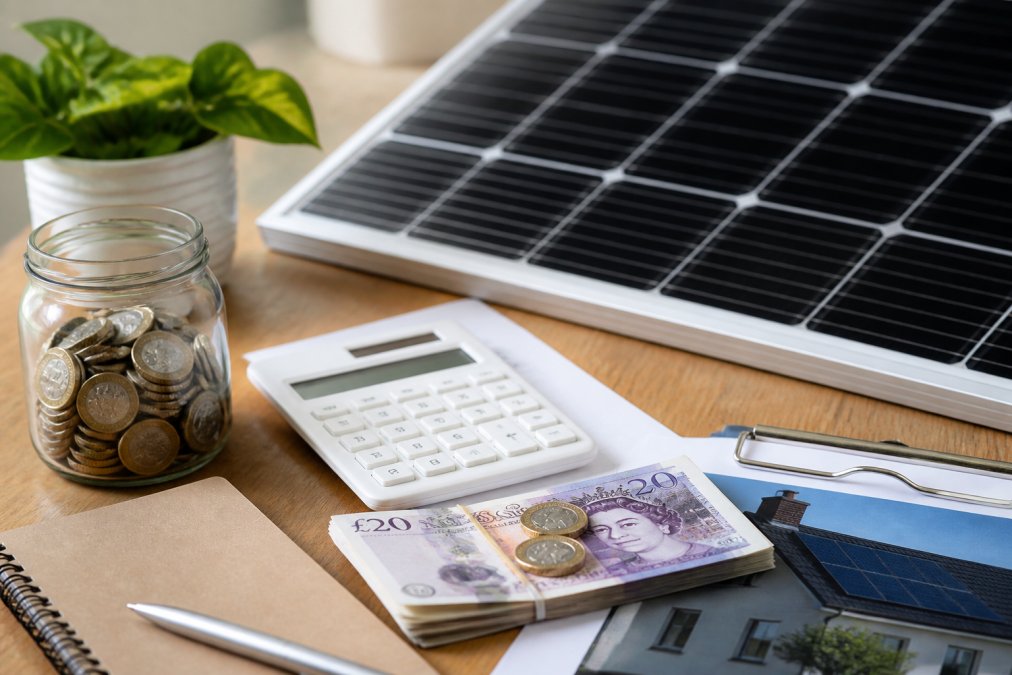
The fastest route to solar in Scotland is rarely the cheapest one, and that gap is where most homeowners lose money. Solar panel financing options Scotland 2026 breaks down into three families: government-backed schemes, private green loans, and bundled supplier packages. Each has a different cost profile.
Solar panel financing is the set of loans, grants, and payment plans that cover the upfront cost of a photovoltaic installation, repaid either through interest-free government lending, commercial credit, or monthly supplier instalments.
The Scottish Government funds interest-free lending through Home Energy Scotland, administered by the Energy Saving Trust. Private lenders offer green loans with interest attached. Energy suppliers bundle panels into monthly plans.
Here is how the main routes compare:
| Financing Route | Interest | Repayment | Best For |
|---|---|---|---|
| Home Energy Scotland Loan | Interest-free | Monthly, fixed term | Homeowners wanting zero interest |
| Home Energy Scotland Grant | None (grant) | Not repaid | Eligible households needing support |
| ECO4 Scheme | None (grant) | Not repaid | Low-income, energy-inefficient homes |
| Green Finance Loans | From 3% APR | Up to 10 years | Good credit, faster approval |
| Supplier Plans | Varies | Monthly instalments | Bundled supply and install |
This guide from Smarter Utility walks through eligibility, costs, battery storage, and what changes in 2026.
Solar Panel Installation Costs 2026
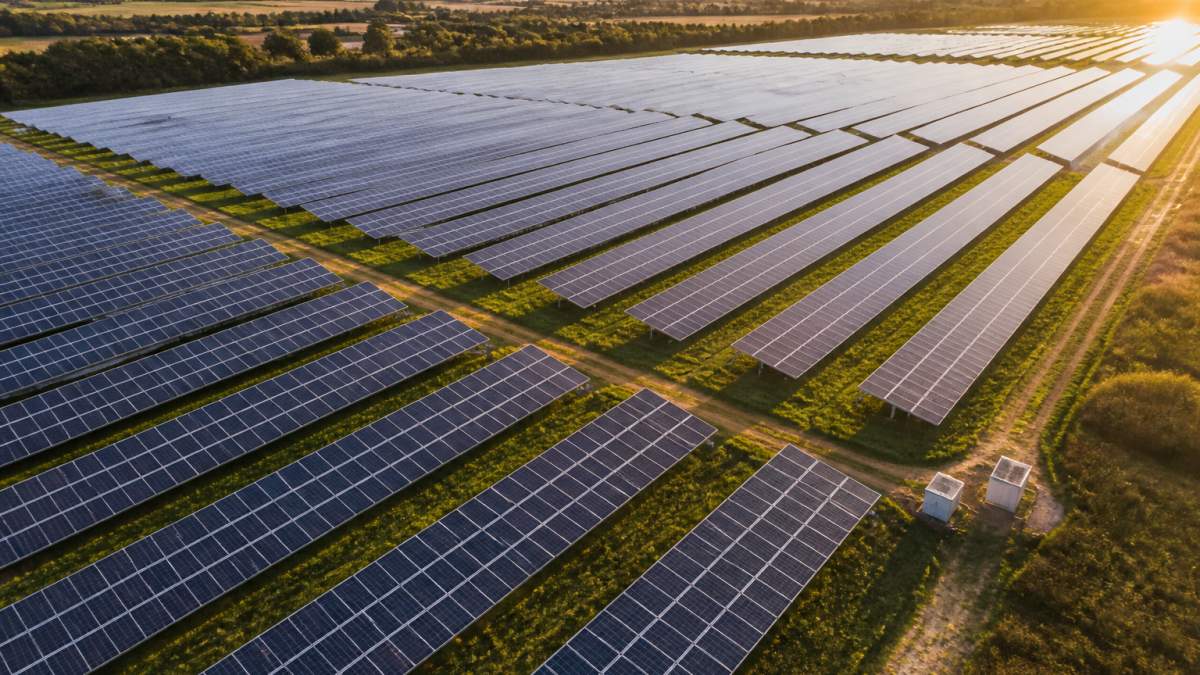
Installation cost depends on system size, roof complexity, and whether battery storage is included. A typical domestic array sits between 3kWp and 6kWp. Larger agricultural and commercial roofs scale well beyond that.
Because no two roofs are identical, treat every figure below as an indicative band rather than a quote. Most installers in the current market price a straightforward 4kWp array with a string inverter somewhere in the region of £5,000 to £7,000 before any grant or loan is applied. Adding a 5kWh battery commonly pushes a comparable system toward £8,000 to £10,000. These bands move with panel efficiency, inverter choice and scaffolding, so use them to sanity-check quotes, not to anchor a budget.
The variables that move your quote most:
- System size measured in kilowatt-peak (kWp), cost per kWp falls as the array gets larger, so a 6kWp system rarely costs 50% more than a 4kWp one
- Panel type and efficiency ratings, higher-wattage panels cost more per unit but can reduce the number of panels and roof area needed
- Battery storage capacity in kWh, the single biggest optional line item, and the one most likely to change your payback period
- Roof access and scaffolding requirements, a two-storey pitched roof is routine; a listed property, slate roof or multiple pitches is not
- Inverter choice, string or hybrid, a hybrid inverter costs more upfront but avoids replacing the inverter later when you add a battery
- Electrical upgrades if your consumer unit is dated, an isolator, surge protection or a consumer unit replacement can add a meaningful sum
Scaffolding and access often surprise homeowners.
What actually drives your payback period
Cost only matters alongside what the system earns and saves. Three levers do most of the work:
- Self-consumption, the more of your own generation you use on-site, the better the return, because you avoid buying units at retail rather than exporting them at a lower rate.
- Smart Export Guarantee income, every unit you do export earns a per-kWh payment from your supplier, and rates vary widely between suppliers, so the tariff you choose matters.
- Battery sizing, a correctly sized battery shifts evening consumption off peak-rate import, which is where the largest savings usually sit.
The 2026 cost context
Two things shape 2026 pricing more than anything else. First, VAT relief on qualifying solar and battery installations continues to reduce the headline cost compared with a few years ago. Second, grant conditions increasingly require an Energy Performance Certificate and, in many cases, insulation measures before renewables funding is released, so the true project cost can include fabric improvements alongside the panels.
Home Energy Scotland Loan Eligibility
Eligibility for the Home Energy Scotland Loan depends on property type, existing energy performance, and whether you've used the scheme before. The loan is interest-free and funded by the Scottish Government.
Key criteria to check before applying:
- You own the property (or have permission as a private tenant)
- The property has a valid Energy Performance Certificate
- You meet the scheme's current insulation and efficiency conditions
- You haven't already claimed the maximum available for the same measure
Benefits of Solar Battery Storage
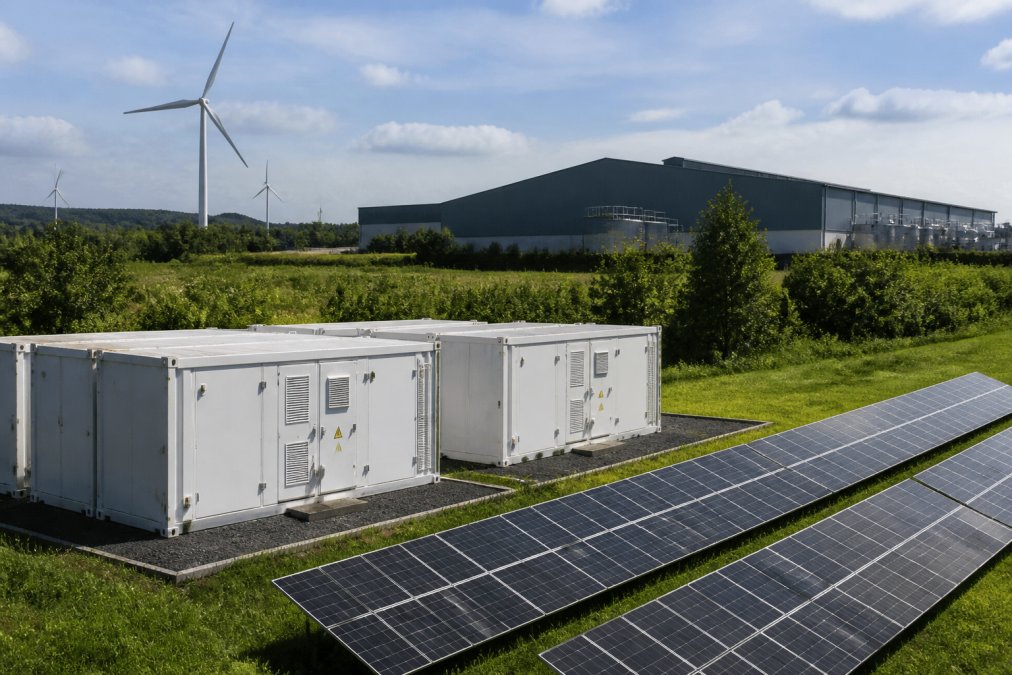
Battery storage changes the economics of a solar system more than any other add-on. It lets you keep the electricity you generate instead of exporting it at a low rate and buying it back in the evening at a higher one.
Click HERE for your FREE SURVEY today →
The core benefits:
- Store daytime generation for evening use
- Reduce grid export and reliance on peak-rate power
- Improve payback period by displacing expensive units
- Support grid independence during outages
- Future-proof for heat pumps and EV charging
Private Financing vs. Government Loans
Private financing and government loans serve different households. Government lending wins on interest, since the Home Energy Scotland loan is interest-free. Private green loans win on speed and flexibility, with approval often in days rather than weeks. Comparing these regional mechanisms highlights how energy saver loans provide essential pathways for homeowners to manage the transition to renewable power.
The trade-off in plain terms:
- Government loans: zero interest, strict eligibility, slower approval, funding can be limited
- Private green loans: interest applies (typically from around 3% APR), wider acceptance, faster payout
- Supplier plans: convenient bundling, rates vary, tied to one provider
Total Cost of Ownership: the comparison most guides skip
A side-by-side Total Cost of Ownership view is where the decision actually gets made, and it is the comparison most competitor articles avoid. Take an illustrative £8,000 project and a ten-year term:
| Route | Interest | Indicative total repaid | Notes |
|---|---|---|---|
| Home Energy Scotland Loan | Interest-free | £8,000 | Eligibility and funding windows apply |
| Private green loan | From around 3% APR | Meaningfully more than £8,000 over the term | Faster approval, wider acceptance |
| Supplier plan | Varies by provider | Depends on bundled rate | Tied to one installer and supplier |
Where each route wins
- Interest-free government lending wins whenever you qualify and can wait for approval. The saving is guaranteed and the repayment is fixed.
- Private green loans win when timing matters, a roof replacement, a house sale, or a funding window that has closed, or when your circumstances fall outside scheme eligibility.
- Supplier plans win on convenience and cash flow, but you should compare the bundled rate against a standalone loan before signing, because the headline monthly figure can hide a higher total cost.
The eligibility trap to check first
Before comparing rates, confirm you actually qualify for the interest-free route. Eligibility typically turns on property ownership, a valid Energy Performance Certificate, existing insulation and efficiency conditions, and whether you have already claimed the maximum for the same measure. If you are a private tenant, you will usually need the landlord's permission.
Financing for Low-Income Households
Low-income households have routes that don't involve repayment at all. The ECO4 Scheme and Warm Homes: Local Grant provide fully or partially funded installations for eligible homes, targeting fuel poverty and poor energy efficiency.
- ECO4 focuses on energy-inefficient homes and low-income households
- Warm Homes: Local Grant operates through specific local authority areas
- Both can cover solar PV alongside insulation and heating measures
2026 Policy Roadmap Updates
Policy in this space shifts, and 2026 brings changes worth tracking. The direction of travel is toward tying funding more tightly to whole-home efficiency rather than standalone generation.
What to watch:
- Grant conditions increasingly require an energy performance certificate and insulation measures
- SEG tariffs continue to vary by supplier, so switching matters
- VAT relief on solar and batteries remains a meaningful cost reduction
- Local authority schemes open and close on their own timetables
Frequently Asked Questions
What government grants are available for solar panels in 2026?
Home Energy Scotland offers grant funding and interest-free loans for solar PV and battery storage, subject to eligibility. The ECO4 scheme and Warm Homes: Local Grant provide fully funded installations for low-income households meeting energy efficiency criteria. All schemes have limited funding and specific application processes.
How does the Home Energy Scotland loan work for solar installations?
The Home Energy Scotland loan is an interest-free loan administered by the Energy Saving Trust. You apply through Home Energy Scotland, and if eligible, you can borrow to cover solar PV and battery storage costs. Repayment terms are fixed, and the loan must be approved before installation. Eligibility depends on your property and energy efficiency status.
Is it better to use a loan or a grant for solar panels?
Grants are preferable because they do not require repayment, but they are limited to low-income households and specific energy efficiency criteria. If you do not qualify for a grant, an interest-free loan from Home Energy Scotland is the next best option. Private financing may be necessary if you do not meet government scheme criteria.
Are there interest-free financing options for solar energy?
Yes, the Home Energy Scotland loan scheme is interest-free for eligible homeowners. Some private providers also offer 0% APR for a limited period, but these often require a credit check and may have early repayment charges. Always compare the total cost of any financing option before committing.
How much does a typical solar PV system cost to install in 2026?
Installation costs vary based on system size, panel type, and whether battery storage is included. Prices depend on your specific property and energy needs. For an accurate quote, request a free survey from an MCS-certified installer who can assess your roof and recommend a tailored system.