 ultimate-guide
Benefits of Home Battery Storage Systems in 2026
Table of Contents
- How Home Battery Storage Systems Work
- Is Solar Battery Storage Worth It in 2026?
- Home Battery Storage Cost vs Savings
- Off-Peak Electricity Tariff Savings
- Backup Power During Grid Outages
- Environmental Benefits of Home Battery Storage Systems
- Conclusion
- Frequently Asked Questions
Last Updated: September 22, 2026
How Home Battery Storage Systems Work
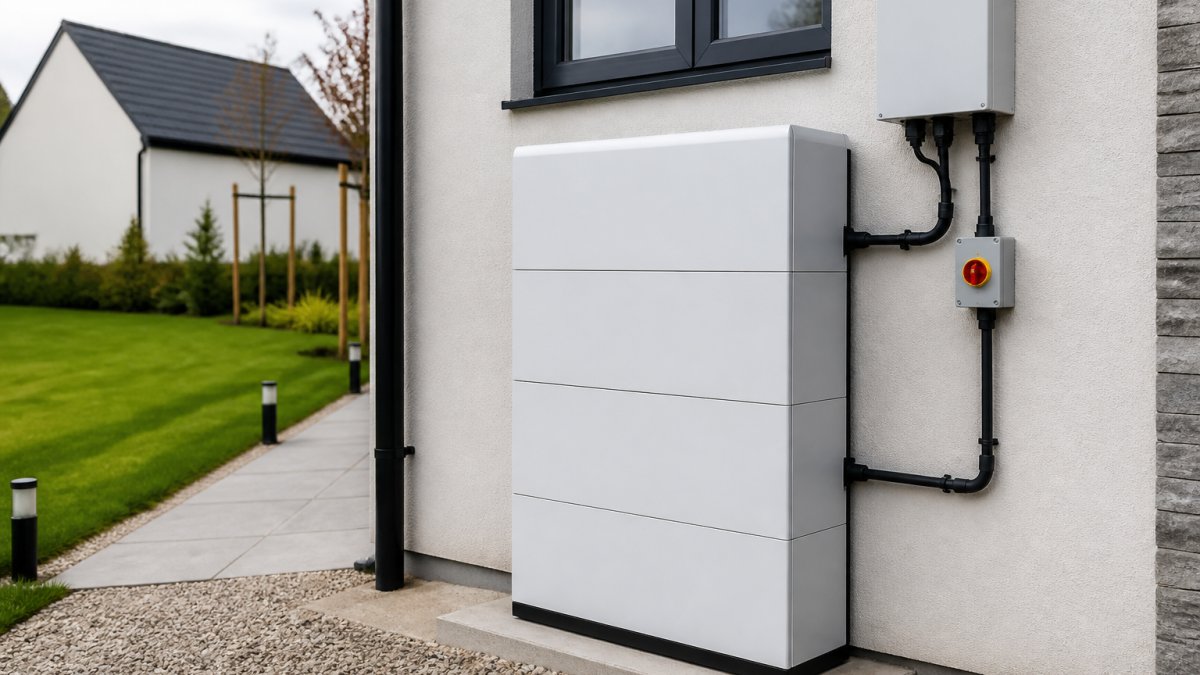
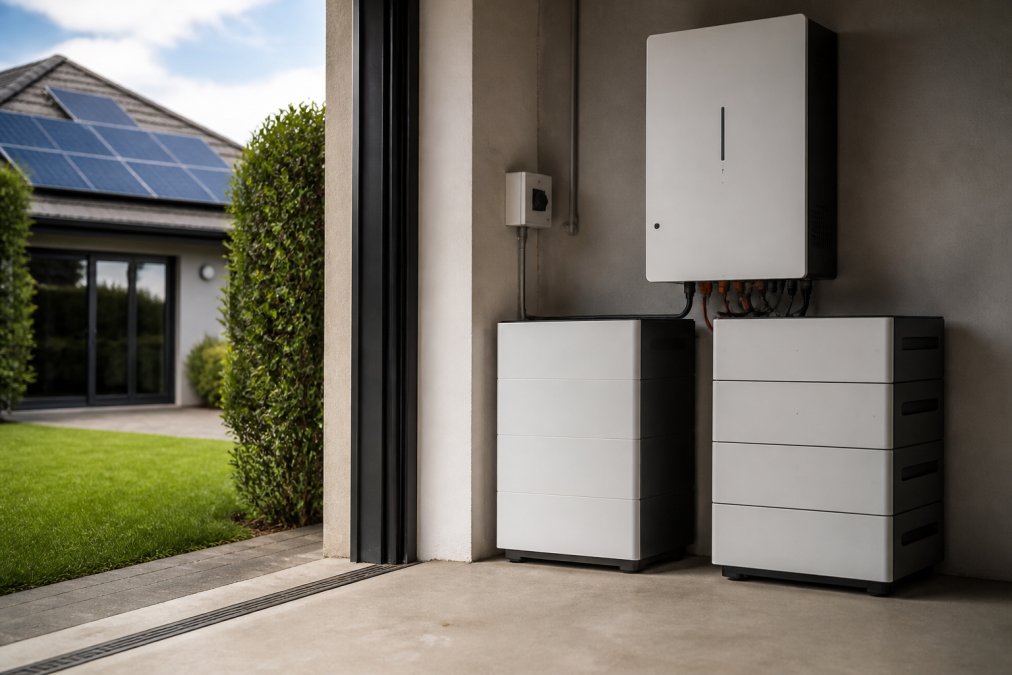
Home battery storage is the practice of capturing electricity, whether from solar panels or the grid, and holding it in a rechargeable battery so you can use it later. For households weighing up the benefits of home battery storage systems, the mechanism matters less than the outcome: you decide when to draw power, not the grid.
This guide from Smarter Utility walks through the numbers, the practicalities and the trade-offs, so you can judge whether a battery belongs in your home.
The case for storage rests on a simple mismatch. Solar panels generate most in the middle of the day, but most households use most electricity in the morning and evening. A battery bridges that gap instead of exporting cheap and buying back expensive. Ofgem's own guidance on smart meter and time-of-use tariffs is a useful starting point for understanding when power is cheapest.
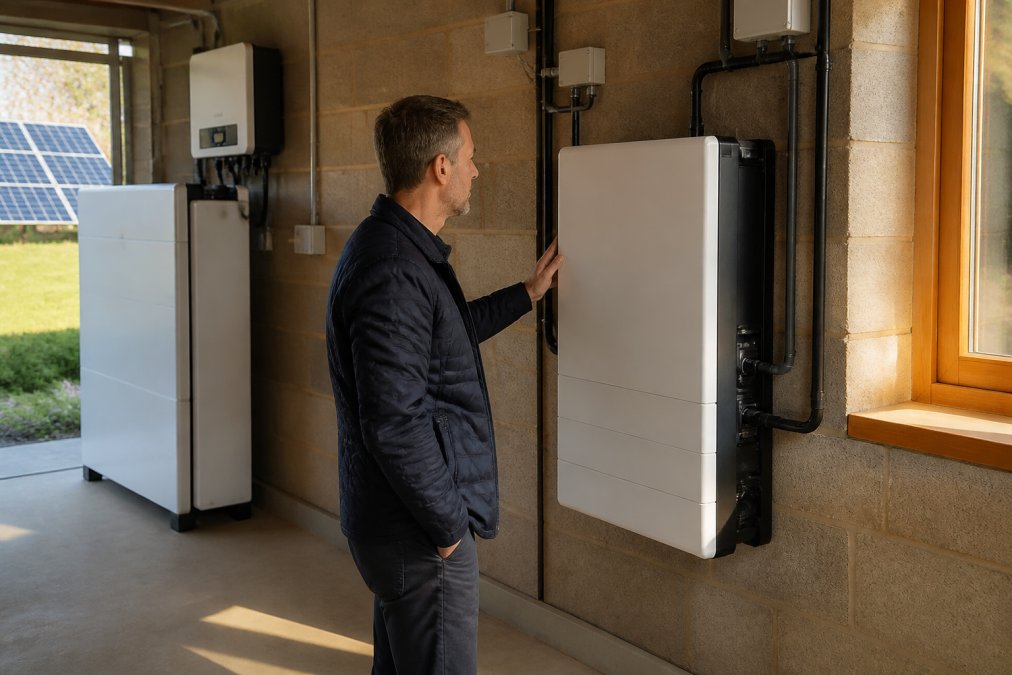
Charging from Solar or the Grid
A battery charges in two ways. If you have solar panels, surplus generation that would otherwise be exported goes into the battery first. On a cloudy day, or in winter, the battery can instead charge from the grid during cheap off-peak hours.
Most systems are set to prioritise solar, then top up from the grid if a cheap window is coming and the battery is low. A common mistake is assuming the battery only works with solar. It doesn't. Grid charging alone can still cut bills on the right tariff.
Discharging to Power Your Home
Discharge is where the savings land. The battery releases stored electricity to run your lights, appliances, heat pump or EV charger, and only when it runs empty does the home draw from the grid.
In practice, a well-sized battery covers the evening peak, which is when import prices are highest. The inverter decides the split automatically. What most guides miss is that discharge behaviour is a settings question, not a hardware one, and it can be tuned after installation.
Is Solar Battery Storage Worth It in 2026?
Solar battery storage is worth it when your household uses a meaningful share of its electricity in the evening, or when you can charge cheaply overnight and avoid peak rates. It is less compelling if you export most of your solar and rarely use power after dark.
The honest answer is that payback depends on your tariff, your usage pattern and how long you stay in the property. There is no universal figure. Anyone quoting a fixed payback period without seeing your half-hourly data is guessing.
Where storage wins clearly:
- Households on a time-of-use tariff with a wide gap between peak and off-peak rates
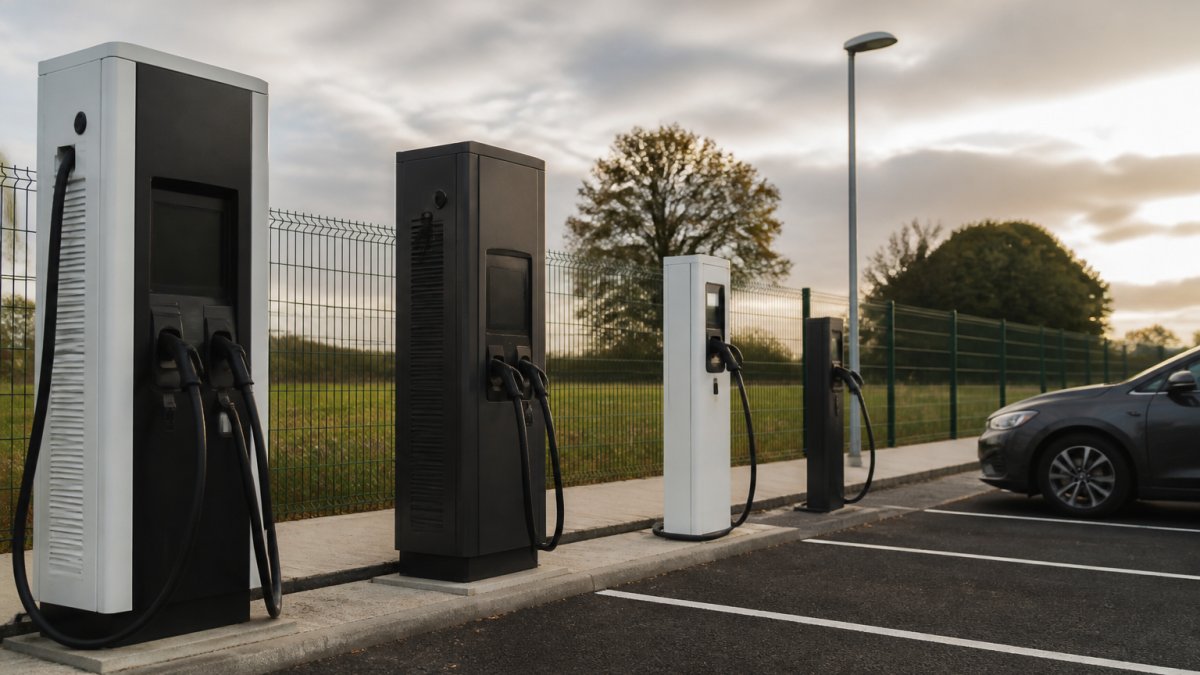
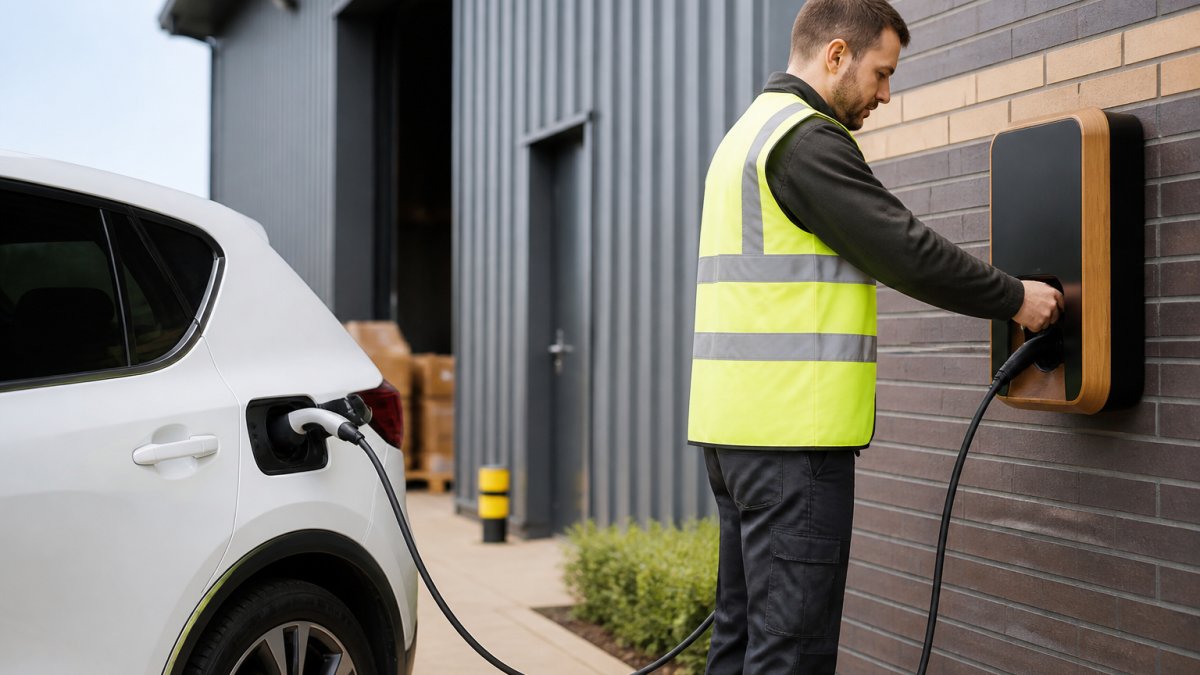
- EV owners charging overnight who want to avoid peak import
- Rural properties where supply interruptions are a real risk
- Homes planning a heat pump, which shifts demand toward the evening
Where it wins less clearly: small flats, low-consumption households, and properties that export nearly everything they generate.
Home Battery Storage Cost vs Savings
The cost side is straightforward to describe and hard to quantify without a survey. You are paying for the battery unit, an inverter if one isn't already fitted, mounting and wiring, and the labour to commission it. Savings come from three places: avoided peak-rate import, avoided export at low rates, and payments for grid services where your system and tariff support them.
Because Smarter Utility has not published pricing, we won't quote figures. Pricing depends on battery capacity, inverter type, whether you already have solar, and the state of your consumer unit. The right move is a no-obligation survey that sizes the system to your actual consumption.
What Affects the Payback Period
Four variables decide whether a battery pays for itself quickly or slowly:
| Factor | What It Does to Payback | Why It Matters |
|---|---|---|
| Peak/off-peak price gap | Narrows or widens it | A bigger gap means more value per stored kWh |
| Battery capacity vs usage | Oversizing lengthens it | Too much capacity sits idle and adds cost |
| Solar self-consumption | Shortens it | Using your own generation beats exporting it |
| Tariff and export rates | Changes it materially | Export rates and standing charges move the maths |
The single biggest lever is sizing. A common mistake is buying the largest battery quoted rather than the one matched to evening consumption. A battery that never fully discharges is capital sitting still.
Off-Peak Electricity Tariff Savings
Off-peak electricity tariff savings are the most reliable financial benefit of a home battery, and they don't require solar at all. On a time-of-use tariff, you charge the battery overnight when power is cheapest, then run the house from it during the expensive evening window.
Click HERE for your FREE SURVEY today →
The arithmetic is simple: every unit you shift from peak to off-peak is a unit you didn't buy at the higher rate. The wider the gap between the two rates, the more you save per cycle. A battery that cycles once a day, every day, compounds that saving across the year.
Two caveats. First, you need a smart meter and a tariff that supports time-of-use pricing. Second, the saving only materialises if the battery actually discharges during peak hours, which is a settings question you can revisit. Ofgem's guidance on electricity tariffs explains how time-of-use pricing works for domestic customers.
Backup Power During Grid Outages
Backup power is the benefit homeowners underestimate until they need it. A battery paired with the right inverter can keep selected circuits running when the grid goes down, which matters more in rural areas where supply interruptions are longer and more frequent.
Not every system provides backup, and not every backup covers the whole house. Most installations power a designated set of circuits, typically lighting, broadband, the fridge and a few sockets. Whole-home backup needs a bigger battery and a more capable inverter. Optimizing these essential circuits further reduces the overall load on your storage capacity, particularly when you integrate energy efficient lighting to minimize power consumption during grid outages.
If resilience is your main reason for buying, say so before the design stage. Retro-fitting backup capability is more disruptive than designing for it from the start. For farms and rural businesses, where a power cut can mean lost stock or a stalled operation, this is often the deciding factor.
Environmental Benefits of Home Battery Storage Systems
The environmental case for home battery storage systems rests on two effects: you use more of the clean electricity you generate, and you shift demand away from fossil-heavy peak generation. Neither is dramatic on its own. Together they reduce the carbon intensity of your household's electricity.
Storing surplus solar instead of exporting it means the power you generate displaces grid electricity later in the day, rather than being sent to the network at a moment of low value. On a time-of-use tariff, overnight charging often coincides with periods of high renewable output and low demand, so you are effectively soaking up generation that would otherwise be curtailed.
There is a manufacturing footprint to weigh. Batteries are not carbon-free to produce, and the environmental benefit accrues over the system's working life, not on day one. A well-sized battery that cycles daily earns that footprint back faster than an oversized one that sits half-empty.
For households combining solar, storage and an EV charger, the combined effect is larger than any single measure. Smarter Utility designs systems with that combination in mind, which is where the carbon and cost savings reinforce each other.
Conclusion
The benefits of home battery storage systems are real but conditional. They depend on your tariff, your evening consumption and how the system is sized and configured. Get those right and the savings compound; get them wrong and you own expensive hardware that rarely works hard.
Smarter Utility is an accredited MCS solar and battery storage installer, and every project starts with a free, no-obligation home survey so the design is matched to your actual energy use.
Frequently Asked Questions
How much money can I save with a home battery storage system?
Savings depend on your energy usage, tariff, and system size. A home battery storage system lets you store cheap off-peak electricity or excess solar power and use it when rates are higher. The more you shift your usage away from peak times, the greater the reduction on your bills. An MCS-accredited installer can model your specific savings during a free survey.
Do home battery storage systems work without solar panels?
Yes. You can charge a home battery storage system from the grid during off-peak hours when electricity is cheaper, then discharge it during peak periods. This is particularly useful if you are on a time-of-use tariff but do not yet have solar panels. Many homeowners start with a battery and add solar later, or combine both from the outset for maximum benefit.
Are home battery storage systems eligible for VAT relief?
In the UK, home battery storage systems installed alongside solar panels typically qualify for 0% VAT under the energy-saving materials relief. Standalone battery installations may also qualify depending on current rules. Because eligibility can change, confirm the latest position with your installer before committing. An MCS-certified company will handle the correct VAT treatment as part of your quotation.
How do home batteries provide backup power during a grid outage?
A home battery storage system with backup capability can automatically switch to power essential circuits when the grid goes down. Not all batteries offer this feature, so check whether yours includes an emergency power supply mode. The battery discharges stored energy to keep lights, Wi-Fi, and refrigeration running. For longer outages, pairing a battery with solar panels allows you to recharge during daylight hours.