 how-to
How to Compare Solar Panel Quotes in Scotland: 2026 Guide
Table of Contents
- What a Solar Quote Should Actually Include
- Solar Panel Installation Costs: What Drives the Price
- Why You Need MCS Certified Solar Installers
- How Home Energy Scotland Grants Change the Numbers
- The Like-for-Like Quote Comparison Checklist
- DNO Approval and Grid Connection: What Installers Handle for You
- Conclusion
- Frequently Asked Questions
Last Updated: September 19, 2026
What a Solar Quote Should Actually Include
A solar panel quote is a written breakdown of the equipment, labour, and expected performance for a proposed system, and it should itemise every component before it states a total. Most quotes that land on a kitchen table fail that test. They show a price and a panel count, then leave you to guess what sits underneath.
Solar Panel Installation Costs: What Drives the Price
Solar panel installation costs vary because no two roofs, homes, or households use electricity the same way. Two identical houses on the same street can receive quotes that differ substantially, and the gap almost always traces back to system size, component choice, or how much work the roof needs.
Three variables do most of the work.
System Size and Annual Electricity Usage
System size should follow your annual electricity usage, not the other way round. An installer who quotes 10 panels before asking for a recent bill is guessing.
Panel Type, Inverter Efficiency and Battery Storage
Panel technology and inverter efficiency decide how much of the sun's energy actually reaches your appliances. Monocrystalline panels generally produce more from the same roof area than polycrystalline equivalents, which matters on smaller or partially shaded roofs.
Why You Need MCS Certified Solar Installers
MCS certification is the recognised quality standard for small-scale renewable installations, and it is the first thing to check on any quote. Without it, you lose access to grid connection routes, export payments, and most grant funding.
How Home Energy Scotland Grants Change the Numbers
Grant and loan support is the single biggest reason a Scottish quote can look more expensive than an English one and still be the better deal. If you compare headline prices without normalising for support, you will pick the wrong installer.
- Grant funding reduces the capital cost of eligible measures and is not repaid.
- Interest-free loans cover a larger share of the cost but must be repaid, so they change cash flow rather than total cost.
Why the Scottish picture differs from the rest of the UK
Several factors push Scottish payback calculations in a different direction from the UK average:
- Daylight hours are strongly seasonal. A Scottish array generates a large share of its annual output between April and September, which means summer self-consumption matters more than winter generation.
- Latitude reduces total annual irradiance compared with southern England, so a same-sized array produces less over a year. This is not a reason to avoid solar; it is a reason to size the array against your actual annual consumption rather than a rule-of-thumb panel count.
- Roof orientation has an outsized effect at higher latitude. A south-facing roof is ideal, but east/west splits can still perform well if you use most of your electricity in the morning and evening, because generation is spread across the day.
- Shading from chimneys, dormers, and mature trees is common in older Scottish housing stock and must be modelled, not guessed.
The VAT and export interaction
Residential solar installations attract a reduced rate of VAT, and battery storage installed at the same time as the panels normally qualifies for the same treatment. If a quote shows a battery at the standard rate, ask why, it usually means the installer is treating it as a separate supply, which changes the total.
What to put in your comparison notes
For every quote, record:
- The pre-support total and the post-support total
- Which measures the support applies to
- Whether the installer will submit the grant application or expects you to
- The assumed export rate and the supplier it is based on
- Whether the battery is VAT-rated at the same rate as the panels
Two quotes that look £1,500 apart on the headline can reverse once those five lines are filled in.
The Like-for-Like Quote Comparison Checklist
Comparing solar panel quotes only works when every quote describes the same system. Put each one through the same checklist, line by line, and the differences surface fast.
Click HERE for your FREE SURVEY today →

- Panel make, model, and wattage stated
- Inverter type and efficiency rating given
- Battery capacity and chemistry itemised separately
- Mounting system and roof fixing method named
- Estimated annual generation in kilowatt hours
- Assumed roof orientation and shading factors
- Warranty length for panels, inverter, and battery
- Expected payback period and its assumptions
- MCS certificate number provided
- Whether grant or loan support is included
- Scaffolding, electrical work, and VAT shown as line items
- DNO application handled, and by whom
| What to Check | Weak Quote | Strong Quote |
|---|---|---|
| Panel specification | "High-efficiency panels" | Make, model, wattage |
| Battery | Bundled into total | Separate capacity and cost |
| Generation estimate | Not provided | Annual kWh figure |
| Accreditation | Claimed verbally | MCS number supplied |
| Grant handling | Not mentioned | Eligibility assessed |
| DNO application | "We'll sort it" | Named as included |
DNO Approval and Grid Connection: What Installers Handle for You
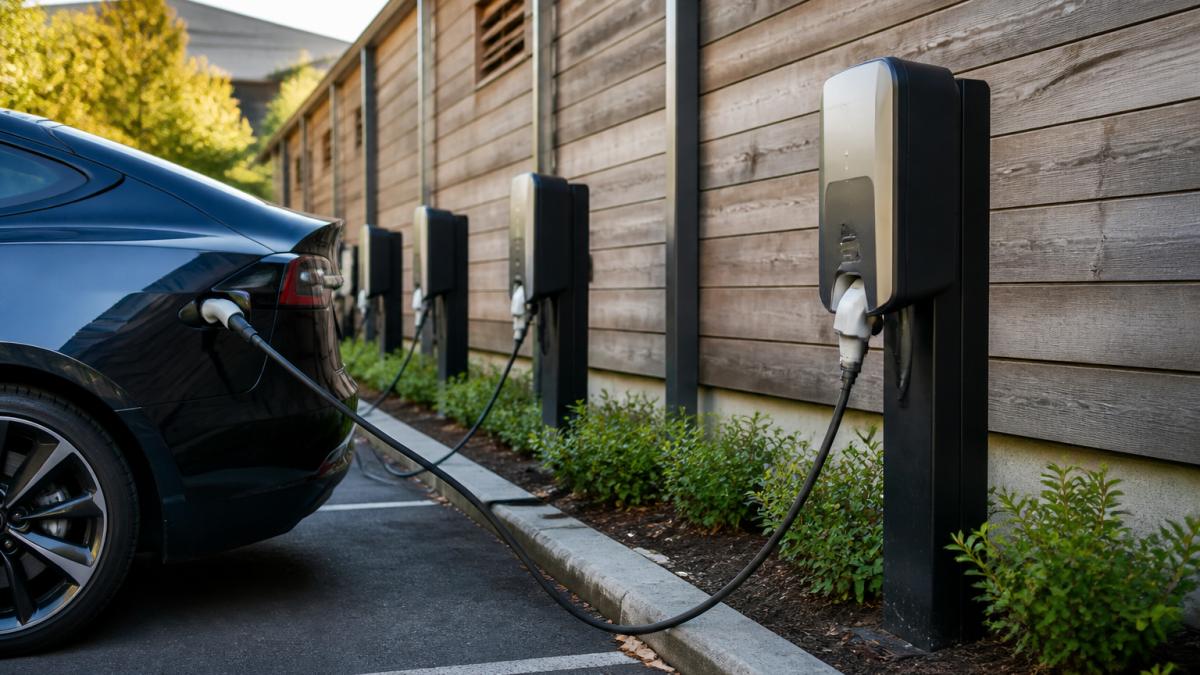
DNO approval is the permission your installer must obtain from your local distribution network operator before a grid-tied system is energised. It is a formal application with a defined process, and it is one of the most common sources of delay on Scottish installations, yet most quote comparison guides skip it entirely. Securing this regulatory clearance early prevents bottlenecks that often compound when integrating additional home energy upgrades, such as the EV charger installation costs that homeowners frequently evaluate alongside their solar array.
The two application routes
The route your system takes depends on its size, and this is where quotes quietly diverge:
- G98 covers smaller domestic systems, typically up to 16 amps per phase. It is a notification rather than an application: the installer informs the DNO after commissioning, and approval is effectively automatic provided the system meets the technical standard.
- G99 covers larger systems, three-phase connections, and anything above the G98 threshold. It requires a formal application and explicit approval before the system is connected. This can take several weeks, and in areas with constrained network capacity it can take considerably longer.
What the application actually involves
The DNO needs to confirm that your local network can accept the export you are proposing without affecting supply quality for you or your neighbours. The application typically requires:
- The inverter make, model, and maximum export capacity
- A single-line electrical diagram
- The proposed connection point and metering arrangement
- Confirmation that the equipment meets the relevant engineering recommendations
How this shows up in your quotes
This is where a like-for-like comparison earns its keep. Ask every installer the same four questions:
- Is this system G98 or G99, and who made that determination?
- Who submits the application, you or me?
- Is the application fee included in the quoted price, and is it fixed or estimated?
- What happens to the price and timeline if the DNO imposes an export limitation?
The battery complication
Batteries change the export profile. A system designed to store and self-consume may export very little, which can keep it within G98. A system designed to export aggressively may not. Two installers quoting the same panels and the same battery can therefore land on different application routes depending on how they configure the inverter's export limit, and the cheaper quote is often the one that has not thought about it.
The DNO question is the fastest way to separate a real installer from a lead-generation site. A real installer will name the route, the fee, and the timeline without hesitating.
Conclusion
Comparing solar quotes is a paperwork exercise before it is a price exercise, and the homeowners who get it right are the ones who refuse to compare anything until every quote describes the same system in the same detail.
Frequently Asked Questions
How do I know if a solar installer is MCS certified?
Ask for the MCS certificate number and check it on the MCS certified installer directory online. MCS certification confirms the installer meets industry standards and is required for your system to qualify for the Smart Export Guarantee. It also gives you access to complaints resolution through the relevant consumer code. Without MCS certification, you cannot receive SEG payments from your energy supplier.
Are solar panel quotes legally binding?
Most solar panel quotes are estimates, not binding contracts, until you sign an agreement. A quote becomes binding once both parties sign a contract with agreed terms and a deposit. Before signing, check the cancellation rights, the deposit amount, and whether the price is fixed or subject to survey. If a quote is described as an estimate, the final price can change after a site survey.
What is the difference between a solar quote and an estimate?
A quote is a fixed price offer based on a survey or detailed information you provide. An estimate is a rough calculation that can change after a full assessment. When comparing solar panel installation costs, always ask which one you are receiving. A fixed quote gives you certainty, while an estimate may rise if the installer finds roof issues or needs a different inverter.
What should I look for in a solar panel installation quote?
Check the system size in kilowatt peak, panel and inverter brands, warranty lengths, battery storage inclusion, and whether scaffolding and DNO approval are covered. Confirm the installer is MCS certified and ask how they calculated your annual electricity usage and payback period. A thorough quote lists every component and service so you can compare like-for-like with other offers.