 ultimate-guide
What Is Residential Battery Storage? 2026 UK Guide
Table of Contents
- What Is Residential Battery Storage?
- Types of Home Battery Technology Explained
- AC-Coupled vs DC-Coupled: Which Setup Fits Your Home?
- Is Solar Battery Storage Worth It in 2026?
- Home Battery Storage Cost UK: What Affects the Price
- How Long Do Home Batteries Last?
- Planning Permission, Building Regulations and EV Charger Compatibility
- Environmental Impact, Recycling and Grid Integration
- Frequently Asked Questions
Last Updated: September 27, 2026
What Is Residential Battery Storage?
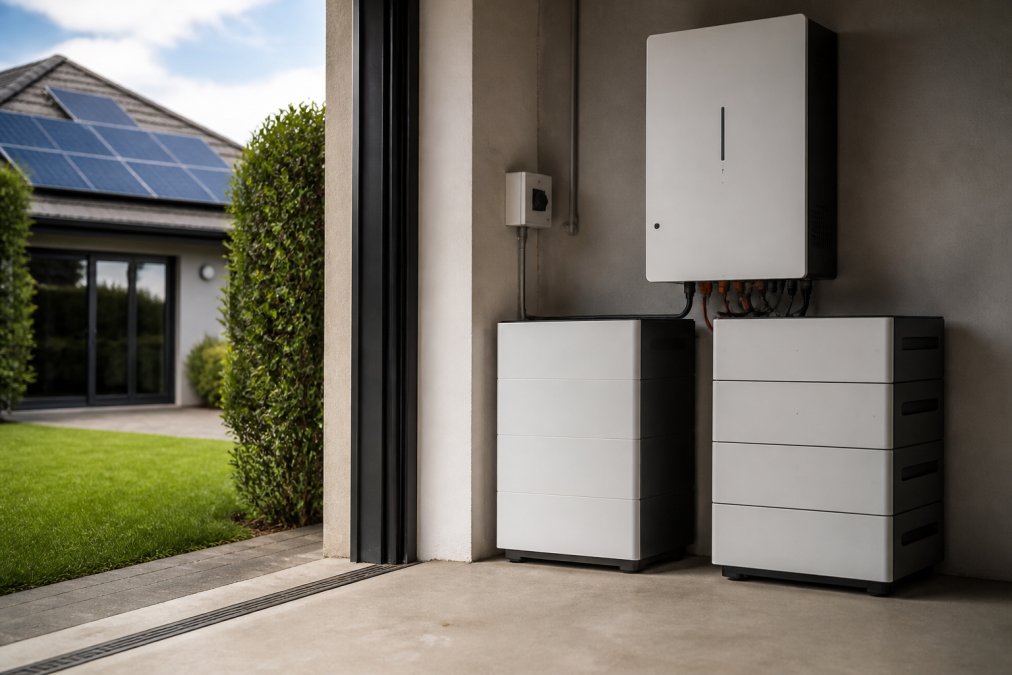
Residential battery storage is a system that stores electricity in your home so you can use it when you need it, rather than only when the grid supplies it. At Smarter Utility, we install these systems across Scotland, and the principle is straightforward: capture cheap or self-generated power, then draw on it during expensive hours. A battery works alongside solar panels, an EV charger or the grid itself, and it is sized in kilowatt-hours to match your household's daily consumption.
Most homes we survey already generate more power than they use at certain times of day. Without storage, that excess energy flows back to the grid, often for little return. A battery changes that equation by keeping the energy on site.
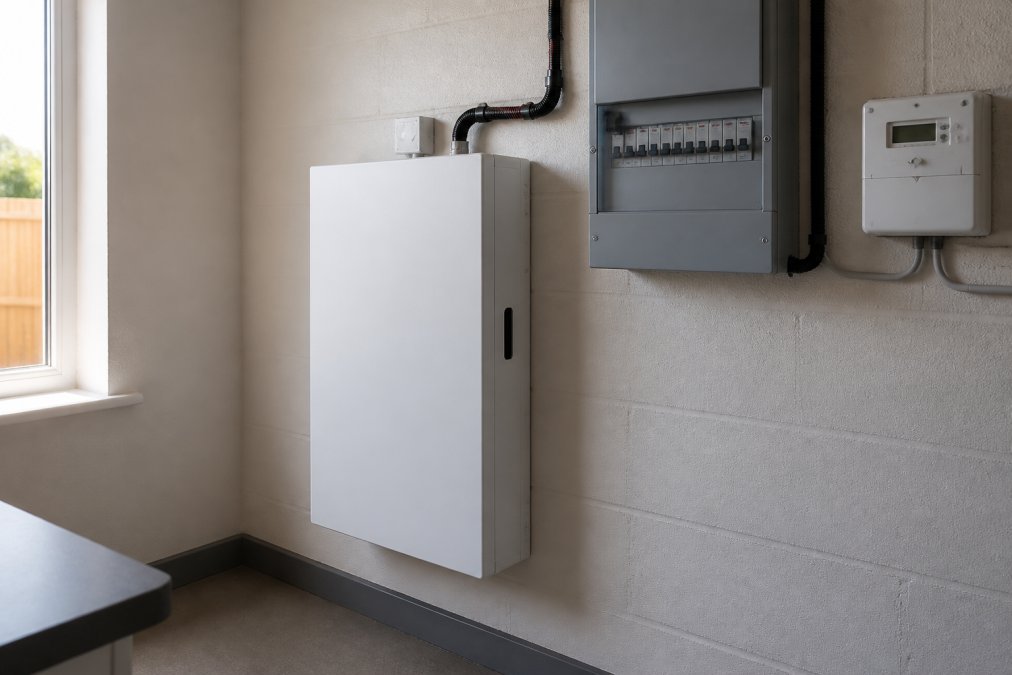
How a Home Battery System Works
A home battery system stores direct current (DC) electricity and releases it through an inverter when your home needs power. During the day, solar photovoltaic panels generate DC electricity. The inverter converts it to alternating current (AC) for your appliances, and any surplus charges the battery. In the evening, the battery discharges to run your lights, heating controls and appliances instead of importing from the grid.
The process is managed automatically by an energy management system. It monitors your smart meter, your solar generation and your time-of-use tariffs, then decides when to charge, hold or discharge. You do not need to intervene.
Key Terms: Capacity, Power Rating and Depth of Discharge
Capacity is the total amount of energy a battery can store, measured in kilowatt-hours (kWh). A typical home system ranges from around 5 kWh to 15 kWh.
Power rating is how quickly a battery can deliver that energy, measured in kilowatts (kW). A battery with high capacity but low power rating can run your home for longer, but cannot power high-demand appliances all at once.
Depth of discharge is the percentage of capacity you can safely use before recharging. Many lithium-ion batteries allow 80% to 90% depth of discharge. Deeper discharge shortens cycle life, so quality systems manage this automatically.
Types of Home Battery Technology Explained
Lithium-ion dominates the residential market, and for good reason. These batteries offer high energy density, meaning more storage in less space, and they handle daily charge and discharge cycles well. Within lithium-ion, you will encounter lithium iron phosphate (LFP) and nickel manganese cobalt (NMC) chemistries. LFP tends to offer longer cycle life and better thermal stability, while NMC packs more energy into a smaller footprint.
Lead-acid batteries still exist for off-grid setups, but they are heavier, need more maintenance and offer shorter cycle life. For most grid-tied homes, lithium-ion is the practical choice.
| Technology | Cycle Life | Energy Density | Best For |
|---|---|---|---|
| Lithium iron phosphate (LFP) | High | Moderate | Daily cycling, safety priority |
| Nickel manganese cobalt (NMC) | Moderate | High | Tight spaces, higher output |
| Lead-acid | Low | Low | Off-grid, budget setups |
AC-Coupled vs DC-Coupled: Which Setup Fits Your Home?
The choice between AC-coupled and DC-coupled systems depends on whether you are adding storage to an existing solar array or installing both at once. An AC-coupled system connects the battery to your home's existing AC wiring through its own inverter. This suits retrofits, because your original solar inverter stays in place and the battery simply joins the circuit.
A DC-coupled system connects the battery directly to the solar panels before the inverter stage. This avoids the efficiency loss of converting DC to AC and back again, which matters if you want to capture every available kilowatt-hour.
Is Solar Battery Storage Worth It in 2026?
Whether solar battery storage is worth it in 2026 depends on your consumption pattern, your tariff and how long you plan to stay in the property. The financial case rests on three mechanisms: self-consumption, peak shaving and energy arbitrage. Self-consumption means using your own solar power instead of exporting it. Peak shaving means avoiding expensive peak-rate electricity. Energy arbitrage means charging when power is cheap and discharging when it is dear.
Click HERE for your FREE SURVEY today →
A Simple Payback Framework
You need four figures. First, your annual household electricity consumption in kilowatt-hours, this is on your bill. Second, the share of that consumption you could realistically shift into stored energy, which for a typical home with solar is often 40% to 60%. Third, the difference between your peak and off-peak unit rates, expressed in pence per kilowatt-hour. Fourth, the installed cost of the system you are considering.
What Actually Moves the Number
The single biggest lever is the gap between your peak and off-peak rates. A tariff with a wide spread rewards storage far more than a flat-rate deal. The second lever is how much of your consumption happens in the evening peak, a household that is out all day and home all evening captures more value than one already at home during cheap daytime hours.
When It Does Not Stack Up
If you are on a flat-rate tariff, have low evening consumption, or export most of your solar under a generous export rate, the arithmetic is weaker. In those cases the honest answer is that a battery may not pay back within a reasonable horizon, and a smaller system or none at all is the better call. A common mistake is buying a battery before understanding when your household actually uses power, the survey exists precisely to test that.
Home Battery Storage Cost UK: What Affects the Price
Home battery storage cost in the UK varies widely, and no honest installer will quote a figure without seeing your property. What drives the price is capacity, inverter type, installation complexity and whether you are retrofitting or building a system from scratch. A larger battery costs more, but so does a difficult cable run, an older consumer unit, or a location that needs additional ventilation.
How Long Do Home Batteries Last?
Most home batteries last between 10 and 15 years, though cycle life and warranty terms matter more than a headline figure. A battery rated for 6,000 cycles, discharging once per day, will last well over a decade before its capacity drops noticeably. Manufacturers typically guarantee a percentage of original capacity over a set number of years.
Planning Permission, Building Regulations and EV Charger Compatibility
Most home battery installations fall under permitted development and do not need planning permission, but there are exceptions. Listed buildings, properties in conservation areas, flats and some homes in designated areas will need consent, and it is always worth confirming your position before work begins rather than after. If you are in any doubt, a quick check with your local planning authority settles it.
Building Regulations and Electrical Standards
Planning permission and building regulations are separate matters, and the second applies regardless of the first. The electrical work must comply with Part P of the Building Regulations, which covers electrical safety in dwellings, and installations are typically certified under the competent person scheme. In practice this means the work should be carried out and signed off by a qualified electrician, and you should receive an Electrical Installation Certificate along with notification to your local authority where required.
EV Charger Compatibility and Vehicle-to-Home
UK government guidance on permitted development rights for home energy sets out when planning permission is and is not required.
Environmental Impact, Recycling and Grid Integration
A home battery lowers your carbon footprint by displacing grid electricity generated from fossil fuels, particularly during peak hours when the dirtiest plants are often running. The environmental case strengthens as the grid decarbonises and your self-consumption rises.
Frequently Asked Questions
Is home battery storage worth it without solar panels?
Yes, a residential battery storage system can work without solar panels. It charges from the grid during cheaper off-peak windows on time-of-use tariffs and discharges during peak hours, a practice known as load shifting or peak shaving. Whether it pays off depends on the gap between your cheap and expensive rates, how much you shift, and the battery's round-trip efficiency. A free home survey will show whether your tariff and usage pattern make it worthwhile.
Do I need planning permission for home battery storage?
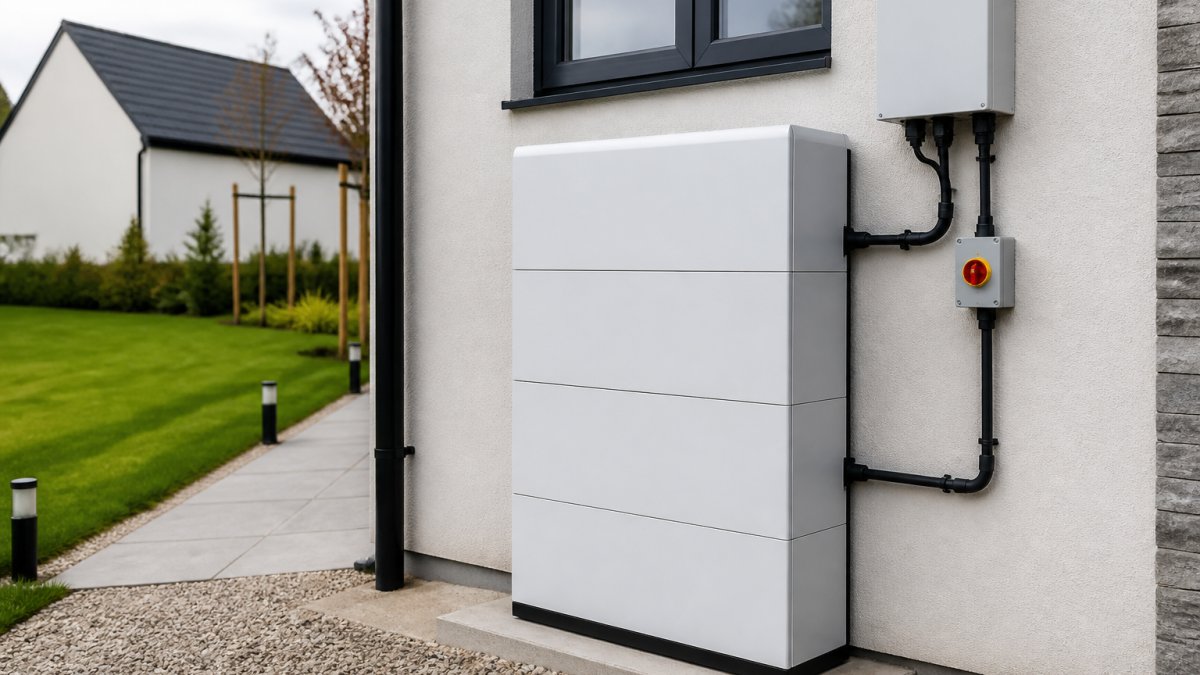
In most cases, no. A home battery installed inside a property is usually permitted development because it counts as an electrical installation rather than a building. Outdoor units and some listed or conservation-area properties may need consent, and any unit must meet building regulations for electrical safety and fire separation. Your installer should confirm the position for your property before work starts.
Can a home battery charge my electric vehicle?
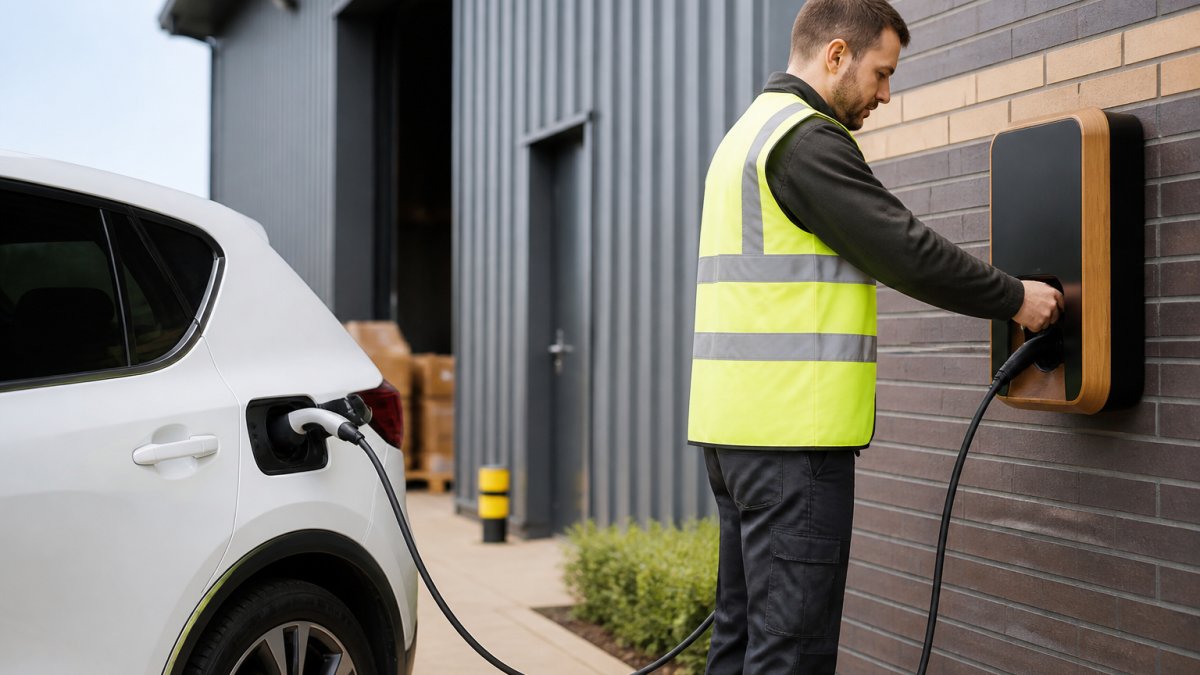
A residential battery storage system can feed an EV charger, but the battery alone will not fully charge a car from empty on most days. Its role is to cover charging during expensive peak periods and top up from solar excess energy instead. Many systems are designed so an EV charger, solar photovoltaic array, inverter and battery share one energy management system, which lets you charge overnight on cheap rates or from stored solar.
What are the downsides of residential battery storage?
The main drawbacks are upfront cost, which typically runs into several thousand pounds, and the space a unit takes up. Batteries also lose some energy on every charge and discharge cycle, so round-trip efficiency is rarely 100%. Capacity fades gradually with cycle life, and recycling options for lithium-ion cells are still developing. For many homes the savings on time-of-use tariffs and self-consumption outweigh these trade-offs, but it depends on your usage.