 how-to
How to Apply for Scottish Solar Panel Grants in 2026
Table of Contents
- Who Qualifies for Scottish Solar Panel Grants
- Understanding Home Energy Scotland Grant and Loan Options
- ECO4 Scheme Eligibility and What It Covers
- Interest-Free Solar Panel Loans: How They Work
- Step-by-Step Application Process for Solar Grants
- Timeline and What to Expect After Application
- Common Mistakes to Avoid When Applying
- Frequently Asked Questions
Last Updated: September 28, 2026
Who Qualifies for Scottish Solar Panel Grants
Eligibility for Scottish solar panel grants depends on property type, ownership status, and energy efficiency baseline. Specific schemes vary by circumstance.
You must own the property or have landlord consent (renters). Your home needs suitable roof or ground space with reasonable sun exposure.
Income thresholds apply to some schemes; others focus on energy efficiency. Check eligibility across multiple funding streams.
Key eligibility factors:
- Own or control the property where panels will be installed
- Property is in Scotland and used as a primary residence or business premises
- No previous grants for the same improvement in recent years
- Building is in reasonable structural condition for installation
Understanding Home Energy Scotland Grant and Loan Options
Home Energy Scotland grant and loan options provide two pathways: grants (non-repayable) and loans (repaid with interest, often at preferential rates).
Grants cover part of installation costs upfront; you pay the remainder yourself or via loan, spreading costs over time.
Grants typically cover 20-40% of eligible costs; loans cover the balance. Combining them requires strict stacking rules compliance.
Grant vs loan comparison:
| Funding Type | Repayment Required | Coverage | Best For |
|---|---|---|---|
| Grant | No | Partial costs (20-40%) | Limited budget, prefer no repayment |
| Loan | Yes, with interest | Remaining costs | Can afford monthly payments |
| Combined | Partial | Full project costs | Maximising available support |
Grant Stacking Rules and Limitations
Grant stacking combines funding from multiple schemes. Some combinations are permitted; others are prohibited to prevent over-subsidising.
Permitted combinations typically include:
- Home Energy Scotland grant + Home Energy Scotland loan (the standard pairing)
- Home Energy Scotland grant + private interest-free loan from an approved lender
- ECO4 scheme support + Home Energy Scotland loan (in limited circumstances)
Prohibited or restricted combinations include:
- Two national grants for the same solar installation (e.g., ECO4 + Home Energy Scotland grant)
- Home Energy Scotland grant + local authority grants for identical work
- Grants from schemes where you've already received support for the same property improvement within the last 5 years
Total grant funding cannot exceed 80-90% of eligible project costs, preventing overfunding.
What happens if you breach stacking rules:
Breaching stacking limits may result in application rejection, clawback of overpaid funds, disqualification for 3-5 years, or installer refunds.
How Home Energy Scotland Administers Both Options
Home Energy Scotland assesses applications within several weeks. Approved grants are reserved and paid to your installer after completion. Loans are disbursed by the lender and repaid monthly over 5-10 years. Many applicants receive partial grants plus loans, for example, £3,000 grant and £7,000 loan for a £10,000 installation, reducing monthly repayment burden.
ECO4 Scheme Eligibility and What It Covers
ECO4 typically covers:
- Solar PV system installation
- Battery storage integration
- Associated electrical work and upgrades
- Professional installation by certified engineers
A professional energy assessment identifies eligible improvements. Solar panels are often combined with insulation or heating upgrades.
Interest-Free Solar Panel Loans: How They Work
Interest-free loans remove borrowing costs; you repay only the borrowed amount. Terms run 5-10 years with fixed monthly payments. Some lenders offer penalty-free early repayment.
Step-by-Step Application Process for Solar Grants
Applying for Scottish solar panel grants follows a clear sequence over 3-6 months. Understanding each step prevents delays and rejection.

Stage 1: Check Your Eligibility
Confirm eligibility via Home Energy Scotland's website or contact them directly. Gather your postcode, property type, age, and recent energy bills.
Click HERE for your FREE SURVEY today →
Stage 2: Arrange Your Home Energy Assessment
Book a professional energy assessment (free, 1-2 hours). An accredited surveyor evaluates your roof, electrical system, and energy setup, producing a detailed report that forms the basis of your grant application.
Stage 3: Submit Your Application
Complete your formal application online via Home Energy Scotland, including property details, assessment findings, proof of ownership, utility bills, and installer quotes. Processing takes 4-8 weeks; approval letters specify grant amount and conditions.
Stage 4: Installation and Completion
Use only MCS-registered installers. After completion, submit certificates to Home Energy Scotland to trigger final payment (2-4 weeks). Keep all invoices and receipts.
Timeline and What to Expect After Application
The entire process typically takes 12-20 weeks, though timelines vary by scheme complexity, surveyor availability, and installer scheduling.
What Your Approval Letter Contains
Your approval letter specifies conditions you must meet for the grant to be paid.
The Mandatory Site Survey After Approval
After approval, arrange a site survey with an MCS-registered installer (different from your energy assessment). The installer inspects roof structure, electrical capacity, and identifies any upgrades needed. If issues arise, some remedial costs may be covered by your grant if essential to solar installation. The survey takes 1-2 hours and is free; you must approve the final quote before work begins.
Approval Conditions You Must Meet
Common approval conditions: (1) Installer must be MCS-registered, verify on the MCS register before signing; (2) Complete installation within 6-12 months or lose grant; (3) Complete complementary measures (e.g., insulation) if required; (4) Confirm no prior grant for the same improvement in 5 years; (5) Tenants need landlord consent; new owners must accept conditions.
What Happens During Installation
Once you've approved the installer's quote and confirmed all conditions are met, installation can proceed. Expect disruption for 2-5 days depending on system size.
Day 4-5: Final inspections, paperwork, and handover. The installer provides you with:
- MCS installation certificate (essential for your grant claim)
- Warranty documentation (typically 10-25 years for panels, 5-10 years for inverter)
- Performance monitoring login details
- Operation and maintenance manual
- Electrical safety certificates
Submitting Completion Certificates and Claiming Your Grant
After installation is complete, you must submit completion certificates to Home Energy Scotland within a specified timeframe (usually 30 days). These include:
- MCS installation certificate from your installer
- Proof of payment (invoices and receipts)
- Photographs of the installed system
- Electrical safety certification
Home Energy Scotland verifies these documents. If everything is in order, your grant is released 2-4 weeks after submission. If documents are missing or incomplete, they will request clarification, delaying payment.
Post-Installation Compliance and Long-Term Obligations
Receiving a grant-funded solar system comes with ongoing obligations. Breaching these can trigger clawback of the grant amount.
You must:
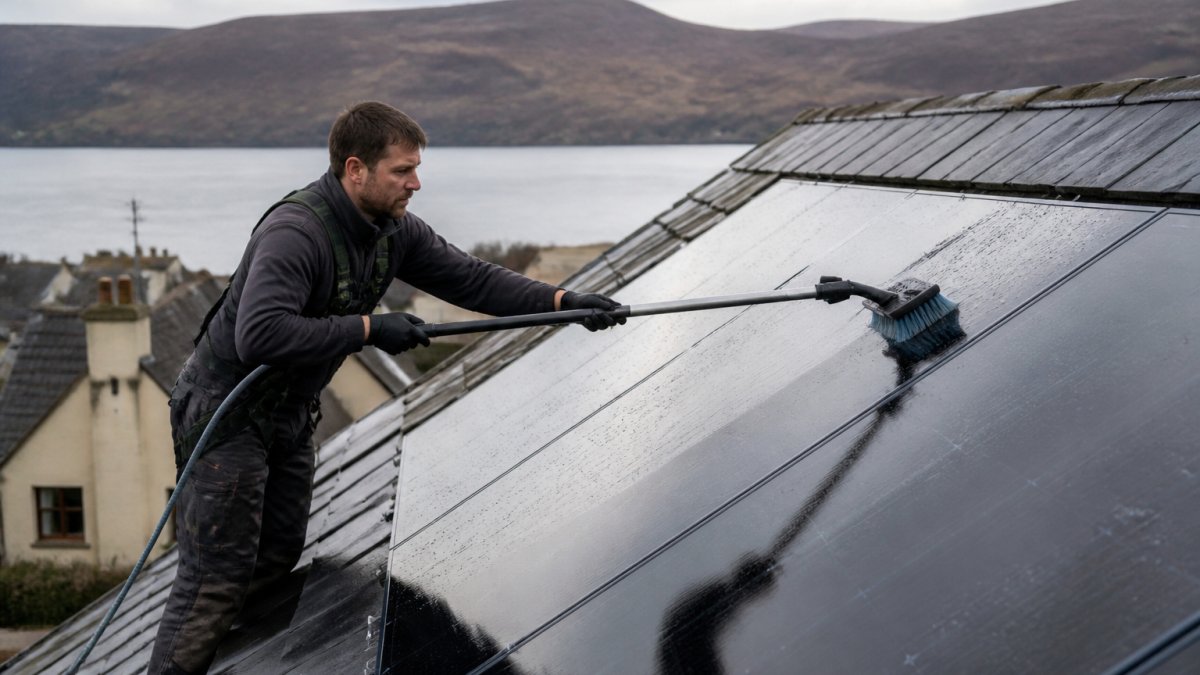
- Keep the system in good working order and perform routine maintenance (cleaning panels, checking inverter function)
- Not remove or significantly alter the system for at least 5-7 years (the clawback period)
- Maintain the property in reasonable condition (the system must remain safe and functional)
- Declare the system when selling your home (it adds to the property's value)
- Register the system with the Smart Export Guarantee (SEG) scheme if you wish to sell excess electricity to the grid
You must not:
- Replace the system with a different one without prior approval
- Sell the system or remove it to another property
- Neglect maintenance to the point where it becomes unsafe
- Fail to register for SEG if you're exporting electricity
Common Mistakes to Avoid When Applying
Many applicants delay or damage their applications through preventable errors. Understanding these pitfalls saves time and increases approval chances.
Frequently Asked Questions
Who is eligible for Scottish solar panel grants?
Eligibility depends on your household income, property type, and energy efficiency standards. Most owner-occupied and privately rented residential properties can qualify for Home Energy Scotland funding. You must own or have permission from the property owner to install solar panels. The scheme prioritises households earning below certain thresholds, though some grants are available across wider income ranges. A home energy assessment will confirm your specific eligibility for available grants and loans.
What is the difference between a Home Energy Scotland grant and an interest-free loan?
A grant is money you receive that does not need repaying, typically covering part of your installation costs. An interest-free loan must be repaid over a set period, usually 5-10 years, but costs nothing in interest charges. Most households can access both: grants cover a portion of costs, and loans cover the remainder. The combination allows you to reduce upfront costs while spreading payments affordably. Your eligibility for each depends on household income and property characteristics.
How long does the application process take from start to installation?
The typical timeline is 8-12 weeks from application to installation completion. This includes eligibility checks (1-2 weeks), home energy assessment scheduling and completion (2-3 weeks), application processing (2-4 weeks), and installation scheduling (2-3 weeks). Delays can occur during peak seasons or if additional information is requested. After installation, final inspections and grant disbursement may take a further 2-4 weeks. Your certified installer will provide a more precise timeline once your project is approved.
What happens if I want to add a heat pump or battery storage after my solar installation?
Your solar system can be designed to accommodate future additions like heat pumps or battery storage. During your initial home energy assessment, discuss your long-term energy plans with your surveyor. A certified installer will ensure your electrical infrastructure and solar capacity can support these upgrades. Some funding schemes allow you to apply for additional grants when upgrading your system, though there may be restrictions on how soon after your initial installation. Planning ahead during your first assessment prevents costly redesigns later.